The trees may be bare and the skies a little grey, but there’s still plenty to see and do at this time of year.
To inspire you to wrap up warm and get out there and make the most of nature, the RSPB has put together a guide to winter walks and hotspots to visit during the colder weather.

Woodland walks are great for the mood and for the senses, and they can help lift our spirits during the darker months.
Look out for fungi which come in all shapes and sizes; from scarlet elf cups, which as their name suggests, look like drinking vessels for tiny woodland folk, to yellow brain fungus, a brightly-coloured jellylike mass which forms on dead wood. Different trees and settings will produce all kinds of weird and wonderful fungi in a variety of contrasting colours.

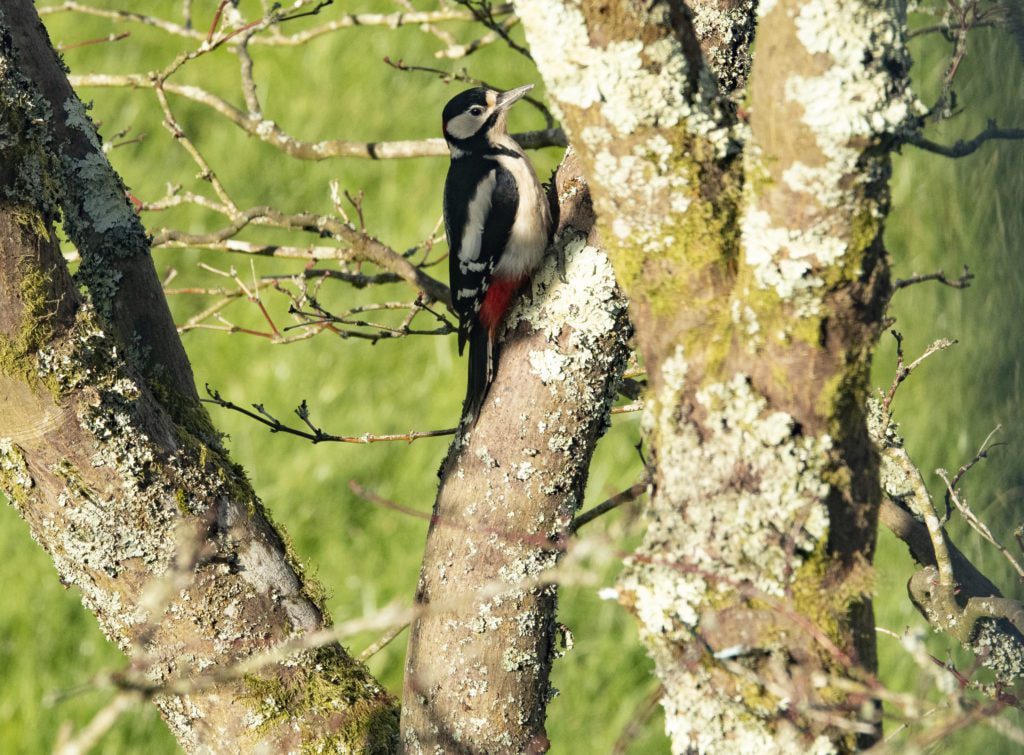
Birds flitting about the canopy are easier to spot when the branches are leafless. Look for a flash of red – it could be a friendly robin or a great spotted woodpecker, both of which are common in the woods. As are nuthatches; these handsome grey and rust-colored birds are easily identified because they are our only UK bird capable of walking up and down tree trunks – a sight to behold if you see one!
RSPB reserves with great woodland walks include Sherwood Forest, Lake Vyrnwy, Loch Garten.
Coastal walks: Nothing beats a walk on the beach or along a coastal pathway above one. The smell of the sea, as well as the sound of crashing waves and gulls overhead, are perfect mood boosters.
Look out for migratory wading birds. Estuaries, such as The Wash in Norfolk, provide the perfect stop-off points for birds on their migratory route, or over-wintering in the UK, as their muddy flats are packed with food. You can see knots and pink-footed geese in their thousands, giving spectacular displays at RSPB Snettisham. Other RSPB estuary reserves worth a visit include Conwy and Mersehead.

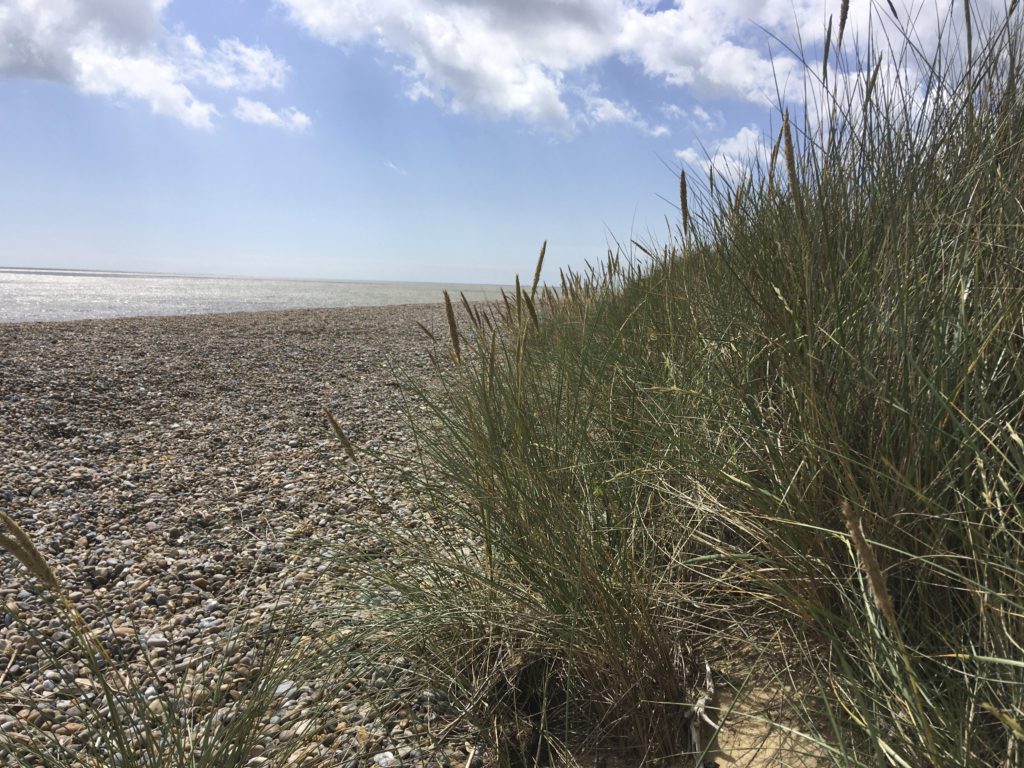
Dunes are one-of-a-kind places and anything growing there needs to be tough to withstand the harsh conditions they face. Marram grass is a spiky, densely tufted grass that forms on many dunes. Its dense root mass helps to keep the dune stable, allowing other plants to grow there.
Yellow gorse can be found along our coastline and blooms all year. Its needle-like leaves help it survive in salty, windy conditions, and have a coconut-like scent, which is surprising!

RSPB reserves with great beach walks include Minsmere and Culbin Sands.
Walks at home: There’s plenty to enjoy just going for a walk closer to home, too. Many birds will start to congregate now because of the cold weather. When tens of thousands of birds flock together, they can form a truly breathtaking murmuration. However, there are numerous smaller examples to look out for, all of which are entertaining to watch.

Look out for large groups of thrushes, finches and tits, flitting around trees and hedgerows in search of food. Whilst most birds don’t sing at this time of year – they don’t want to waste precious energy outside the breeding season – song thrushes are among the first to begin, marking out territorial claims from as early as January, whilst robins never stop singing!

For more ideas on fun things to see and do on walks this winter, visit www.rspb.org.uk
Main image: Family walking through woodland, RSPB HQ The Lodge, Sandy, Bedfordshire