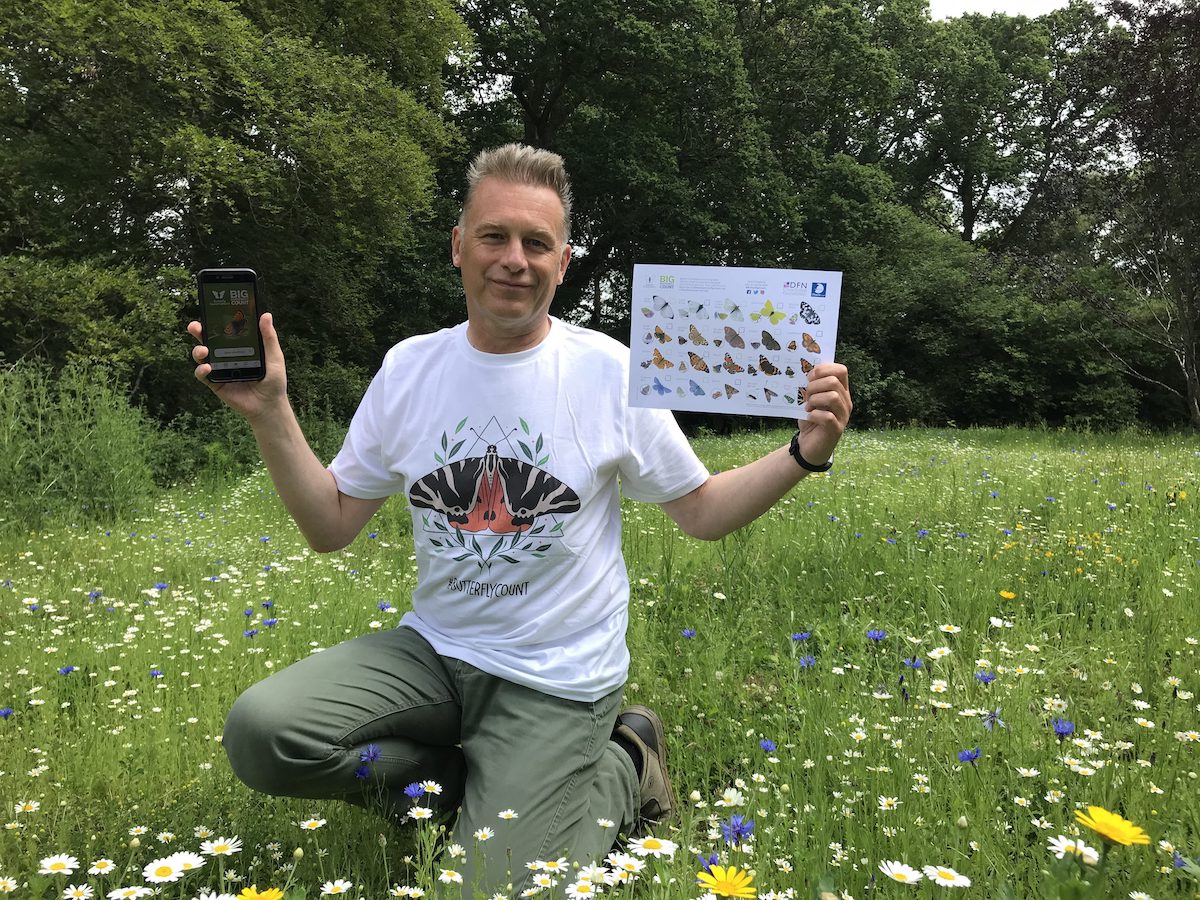

Wildlife charity Butterfly Conservation has launched this year’s Big Butterfly Count with a warning that time is running out to help save species.
The organisation revealed in May that half of Britain’s remaining butterfly species are now on the Red List and threatened or near threatened with extinction. Last year’s Big Butterfly Count saw the lowest ever number of butterflies recorded. As butterflies and moths are an important indicator of the health of our environment, a reduction in their numbers is a cause for serious concern.
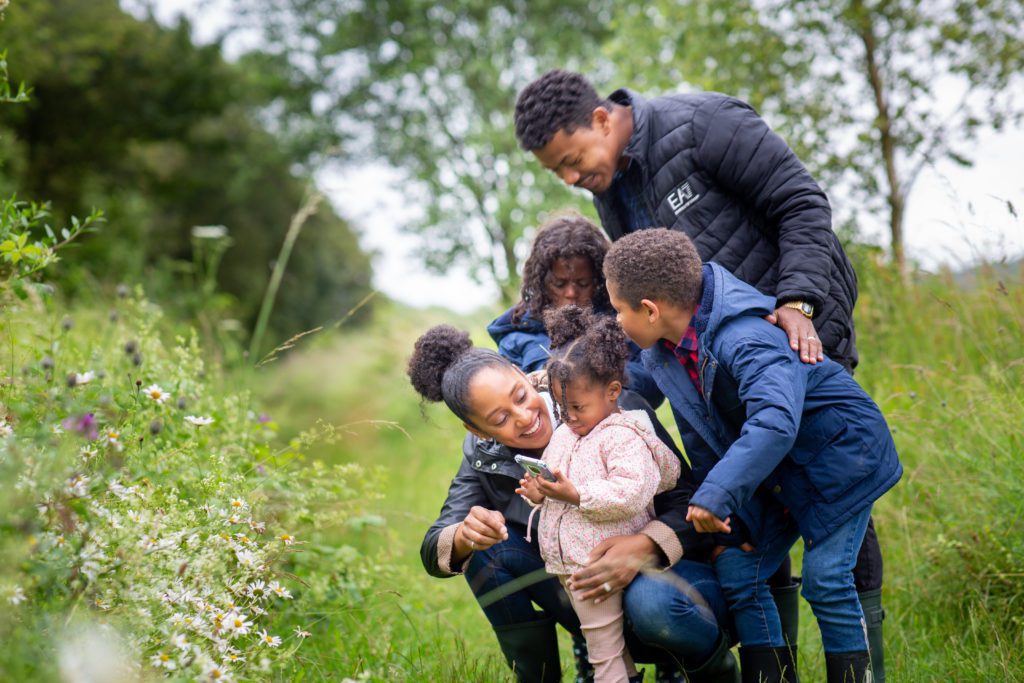
However, taking part in the Big Butterfly Count is one really positive way that everyone can help. The information gathered is vital in helping scientists understand more about what is happening to the nation’s butterflies and therefore put in place the conservation measures needed to protect them. In recent years, Butterfly Conservation has helped save two species from extinction in the UK and halted the decline of many others. The charity has proved that with the right information and targeted action, species can be brought back from the brink.
Dr Zoe Randle, Senior Surveys Officer at Butterfly Conservation, says: “Thanks to the wonderful British public who take part in their thousands, the Big Butterfly Count is the largest natural history citizen science project involving insects in the world and provides us with a valuable snapshot of what is happening for butterflies across the whole of the UK. It can act as an early-warning system, letting us know how various environmental changes are impacting insects, and allows us to gather vital data from places that would otherwise be totally unrecorded.”
With the numbers of butterflies in decline, learning as much as possible about them is more important than ever. Zoe adds: “We really need people’s help this year to help us figure out where our butterflies are and what we need to do to save them. It’s not just the rare species of butterfly – the ones with restricted habitat or foodplants – that we are concerned about. Some of our previously commonly seen butterflies, like the Small Tortoiseshell (second image), are also declining rapidly.”
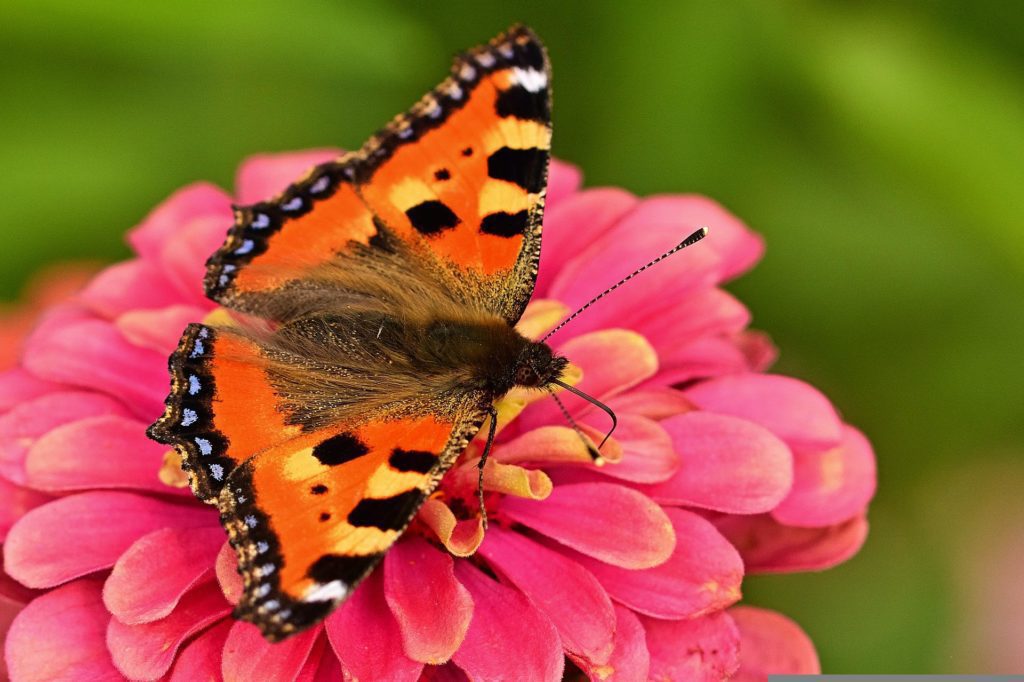
The Small Tortoiseshell (above), which can be found all over the UK and was once a familiar species in gardens throughout the country, has declined by 79% since 1976. It’s one of the species included in the Big Butterfly Count, and Butterfly Conservation hope that data from citizen scientists will mean more can be understood about its fate.
Taking part in the Big Butterfly Count is not only good for butterflies – it’s good for humans too! Dr Amir Khan, Butterfly Conservation Ambassador, is one of a number of famous faces supporting the Big Butterfly Count. He says: “Spending time in nature is hugely beneficial to our mental health. Just a short amount of time spent in the natural world can alleviate stress, and connecting with nature can help us feel happier and more energised.
“Watching butterflies for just 15 minutes can be a wonderful and calming experience. It is good for you as well as benefitting butterflies by helping Butterfly Conservation gather the important data they need to understand how to better protect these special insects. It is truly a win-win situation for all of us.”

Butterfly Conservation’s Big Butterfly Count is a UK-wide survey open to everyone, of any age, living in towns, cities or the countryside. Taking part requires you to spend just 15 minutes in an outdoor space counting the amount and type of butterflies, and some day-flying moths, you see. It is easy to do and the more people who do it, the greater the benefits to our understanding of nature and how to help it.
There were over 150,000 counts submitted to the Big Butterfly Count last year, more than ever before. Though worryingly, 2021 also saw the lowest average number of butterflies logged since the event began 13 years ago. More counts are undertaken and submitted year on year, but it seems there are fewer butterflies and moths to be seen.
Butterfly Conservation scientists are keen to see if this is a trend that continues in 2022, and how the picture differs for butterflies across the whole of the UK. This means it’s more important than ever that the public take part and help to gather the data needed.

This year the Big Butterfly Count is sponsored by garden wildlife specialist Vivara and the DFN Foundation, a commissioning charity focused on influencing sustainable change in special needs education, supported employment, healthcare and conservation.
This year’s Big Butterfly Count runs until 7th August. For more information and to take part simply visit www.bigbutterflycount.org or download the free Big Butterfly Count app.
Insect Lore Butterfly Garden