A year on from the first ambitious environmental series, Our Changing Planet returns to BBC One this Sunday, to continue to document how Earth’s most vulnerable habitats are responding, year on year, to increasing environmental threats as part of the corporation’s seven-year, natural history project.
In the two hour-long episodes, six presenters – Liz Bonnin, Steve Backshall, Chris Packham, Ella Al-Shamahi, Ade Adepitan and Gordon Buchanan – revisit six bell-weather territories to see what changes have occurred in the intervening months and to examine the implications for the people and animals living there.
Visiting six pivotal habitats around the world in California, Kenya, Cambodia, Maldives, The Arctic/ Greenland and Brazil, the Our Changing Planet presenters meet up with the army of scientists, indigenous groups and conservationists working tirelessly to change the tide and restabilise our planet. Each episode reports from three threatened habitats.

In Episode 1 of Our Changing Planet, viewers can look forward to Liz Bonnin visiting California, joining the Tule River tribe to find out how they have been using nature-based land management techniques for thousands of years to protect their wild spaces against wildfire and to promote biodiversity in the form of beavers. The positive impact of the beaver’s ability to dam and store water in the landscape to such a degree that these water logged areas prevent the passage of wildfires across is, potentially, a vital nature based solution in the fight against wildfire.
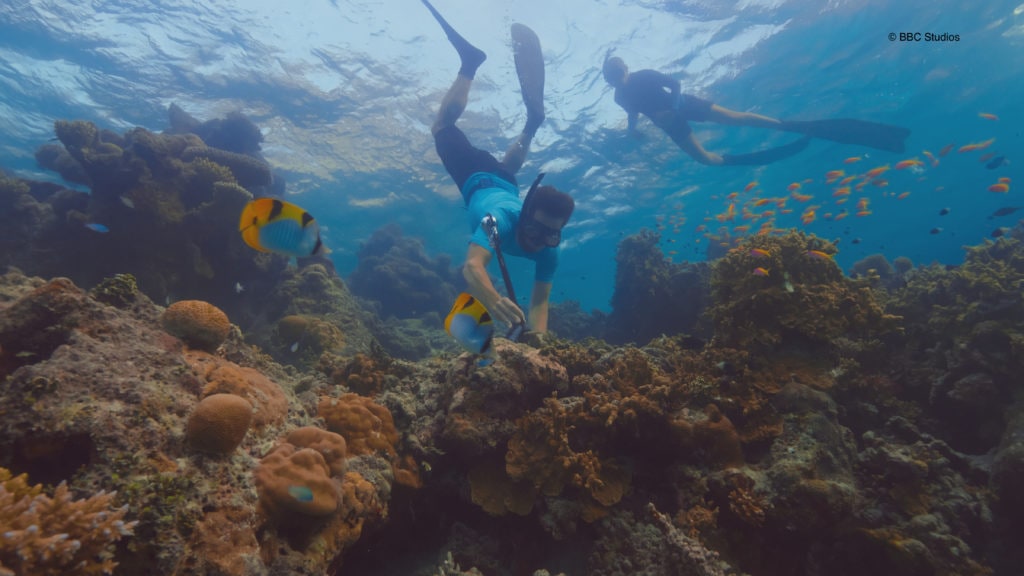
Steve Backshall is in the Maldives looking at coral conservation and the key to saving the world’s reef. Steve meets with Professor Steve Simpson and his team from Bristol University, who discovered that larval coral – no bigger than a pinhead – move towards the sound of a healthy reef, a response that guides them to settle amongst a more biodiverse and healthier habitat and, in so doing, add to the coral population. The team collects sounds of the reef in a bid to play these back to try and attract healthy coral larvae.
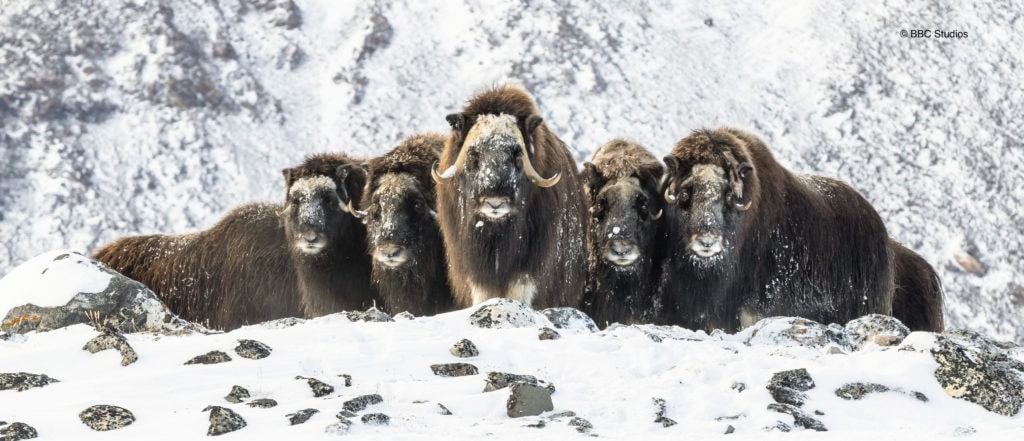
Chris Packham continues his exploration in the Artic travelling to the Zackenberg Research Station’s climate monitoring programme in Northeast Greenland, one of the most important locations in the world in terms of understanding the extent of change and warming in the Arctic and the effects on the rest of the world. Chris joins a field trip with scientists from Aarhus University and Copenhagen Zoo to track and collar muskox, an ice age survivor, as they move across the snow-covered tundra. He reports, ” For many people, North-Eastern Greenland and the muskox are very much out of sight and probably when I say out of mind, probably never in mind, and yet these animals are key indicators as to the health of our entire planet, which is slightly abstract, isn’t it?”
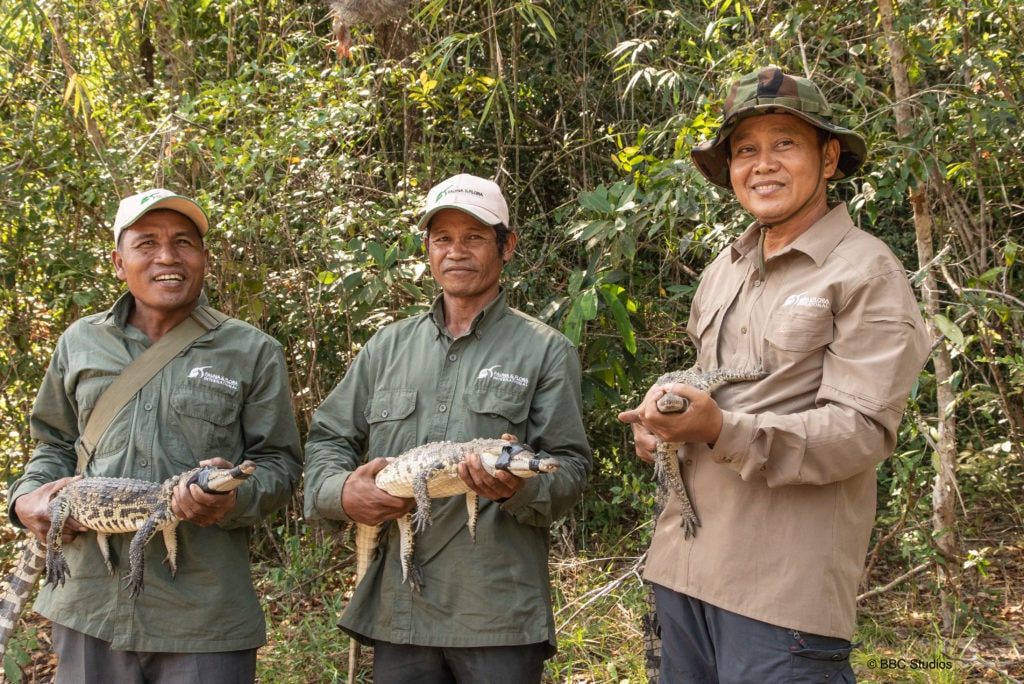
Episode 2 of Our Changing Planet sees Ella Al-Shamahi returning to Cardamom Hills in Cambodia to take part in the release of one of the world’s most endangered reptiles, the Siamese Crocodile, which is nearly extinct. To date, the survival of these critically endangered crocs has been down to the cultural connection between the local people and the crocs who they consider sacred. She says, “The indigenous community I was really moved by…About 20 years ago, nobody knew in the outside world. They didn’t know the Siamese crocodiles were in the wild in Cambodia, people thought Siamese crocodiles were extinct in the wild. This community had basically been going out and stalking poachers without the help of internationals, without the help of government, they were just doing it off their own back…It’s just really humbling to know that all over the world there’s so many people, particularly indigenous people, doing really incredible things…” Ella also learns of another threat to the local ecosystem in the growing practice of sand mining, which is the world’s second most exploited natural resource after water. The Mekong River, which is vital to the health of not only this region but to five other countries, is being dredged for this valuable resource and as a result, endangering the very structure and health of this mighty river system.
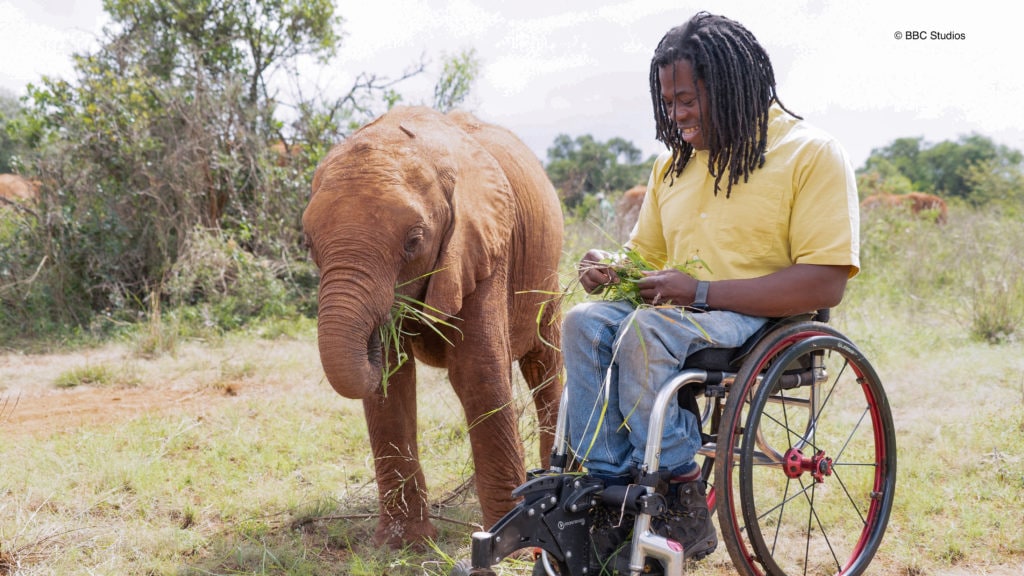
Ade Adepitan returns to Kenya to discover how Tsavo’s elephants are coping in difficult conditions that have seen both communities and wildlife fighting to survive the worst drought in 40 years. He discovers newcomers in the elephant orphanage due to injuries and conflict with humans and looks at an affordable ‘toolkit’ of elephant deterrents, which are being rolled out by leading elephant scientists with the input of locals, to help protect both the vulnerable communities and their farms, and the hungry and thirsty elephants.
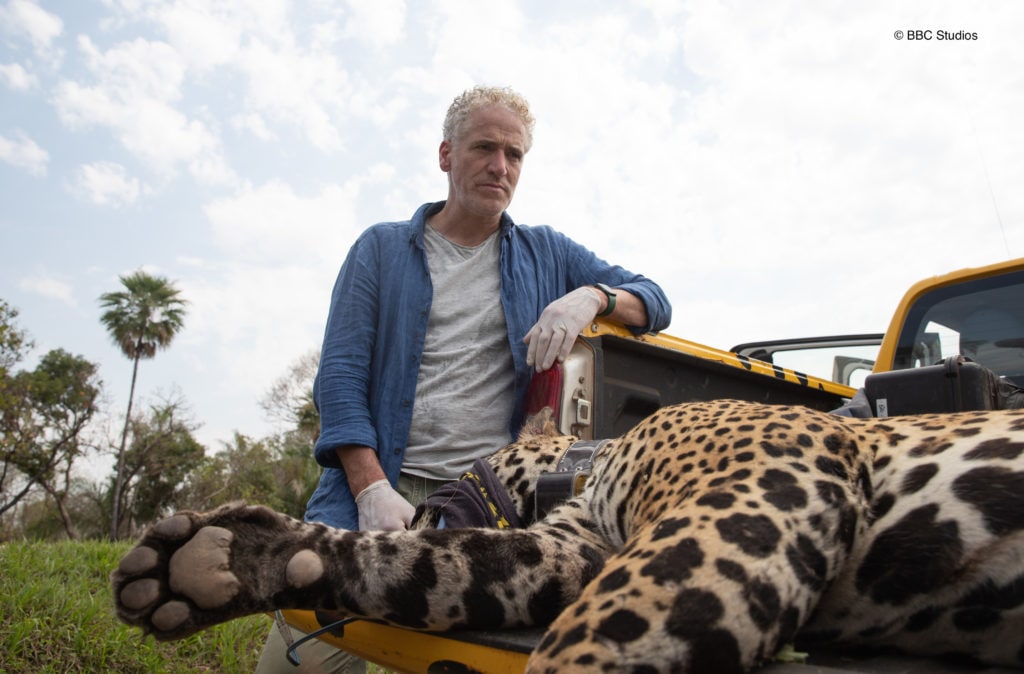
Gordon Buchanan visits the Pantanal, the world’s largest wetland and home of the apex predator, the jaguar, in Brazil. He returns to the project which is habituating jaguars as part of an ecotourism business where the profits fund vital research of their movements and how to safeguard them for the future. The Pantanal is vital to the health of the jaguar’s territory. Fed by the Amazon rainforest’s water cycle, it’s an extraordinarily rich habitat, and home to an array of water and land species. To find out the challenges it faces, Gordon takes to the water and sees first-hand how this place is perched on a knife’s edge. He says of the project, “My greatest hope for the future comes from meeting the inspirational conservationists who dedicate their lives to protecting wild places and wild animals. The scientific team I met in the Pantanal are making a huge difference not just to the lives of jaguars but to communities that live in that area. Coexistence is key and the scientists are the people bringing about beneficial coexistence between local ranchers and South America’s biggest cat.”
The first episode of Our Changing Planet airs on BBC One this Sunday 16th April at 7pm, with the second and final episode following on Sunday 23rd April.
Main image credit: BBC Studios
The Green Planet