From honeycomb worms to solar powered sea slugs, this summer’s National Marine Week from The Wildlife Trusts will shine a light on some of the lesser-known creatures and plants found in UK seas.
The annual seaside celebration aims to inspire a new generation of marine conservationists and volunteers through rock pool rambles, snorkel trails, beach cleans and other events around the British Isles that help nature. National Marine Week takes place from today until 6th August 2023 – spanning a fortnight due to varying tidal conditions around the UK.
UK seas are home to over 330 species of fish, 28 cetaceans, seagrasses, seaweeds and living reefs. The marine environment is also under huge pressure from damaging fishing practices, development at sea and pollution from farming, sewage and plastic.
Lissa Batey, head of marine conservation at The Wildlife Trusts, says: “From sun stars to seagrass meadows, our seas are awash with fascinating creatures, habitats and plants. This year’s National Marine Week reminds us of the great diversity around our shores and why it is so important we look after our seas for people, wildlife and the climate.
“We are encouraging young people to join events and find out more about the work being done to protect our shores and seas. From backing campaigns to beach cleans, there are so many ways to get involved.

“It is critical that at least 30% of UK seas are given the highest level of environmental protection by the end of this decade. Doing this will help wildlife recover with enormous benefits for fishing, as well as ensuring vast amounts of carbon remains stored in natural habitats such as sand, mud and seagrass. Better protections for our seas will mean more wildlife, and that helps everyone.”
This year, young marine conservationists working and volunteering with The Wildlife Trusts are taking over the charity’s social media channels to shine a light on diverse wildlife in UK seas and projects that are helping to protect nature on our shores.
Some of the lesser-known species found in UK seas include:
- Brittlestars: Related to starfish with five long, flexible arms. Brittle in name, brittle in nature, they shed parts of their arms if they are disturbed or threatened. Brittlestars are found around the UK in rock pools and down to 85 metres deep. They gather in groups, with numbers of 2,000 recorded per square metre.
- Risso’s dolphin: Found in deep offshore waters, they are whiter than other dolphins with large, blunt heads and stocky bodies. The scratches on their bodies are the result of rough behaviour from fighting and catching prey.
- Undulate ray: A species of skate that buries itself in sand and mud up to depths of 200 metres, though more commonly found in shallower waters. They can live for more than 20 years.
- Sea hare: A marine snail that looks like a sea slug but has an internal shell. They can be found in shallow waters and rockpools and, like sea slugs, are hermaphrodites with an individual acting as both male and female. Sea hares feed on seaweed, which is thought to determine its colour. Green sea hares eat green seaweed and maroon sea hares eat red seaweed.
- Gannets: The largest of our sea birds with a six-foot wingspan, a creamy-yellow head and a long dagger-like bill. They can be seen circling in groups above the sea looking for fish before plummeting head-first into the water.

As an island nation, the UK has 17,800 kilometres of windswept coastlines that are never more than 80 miles from any location. National Marine Week events include:
- Marine science workshops with Yorkshire Wildlife Trust – shore safaris and beach cleans will help you learn more about wildlife along Yorkshire’s coast.
- Night-time rock pooling with Devon Wildlife Trust – join experts for a guided rock pool safari on Wembury Beach to see what wildlife gets up to after dark.
- Seagrass festival with Cornwall Wildlife Trust – join marine experts at the stunning St Mount’s Bay for a celebration of all things seagrass.
- Shoresearch with Somerset Wildlife Trust – help experts to survey intertidal habitats along the Somerset coast with sampling kits, survey sheets and identification guides.
- 60 marine activities with North Wales Wildlife Trust – join marine-themed events and volunteering opportunities as part of the Trust’s 60th anniversary celebrations.
- Family sand exploring with Northumberland Wildlife Trust – get up close with magnifiers and microscopes to learn about wildlife on England’s windswept beaches.
A full list of events and volunteering activities is available on The Wildlife Trusts’ website. To find out more, visit wildlifetrusts.org/national-marine-week

Protecting UK seas
In 2020, the Government committed to protect at least 30% of land and sea for nature by 2030 (its 30×30 target). According to a 2022 report by Wildlife & Countryside Link, a maximum of 8% of English waters could be classed as protected from bottom-towed fishing, which damages the seabed. However, other impacts, like offshore developments and other fishing methods, and poor monitoring to assess nature’s recovery in Marine Protected Areas (MPAs) mean this figure could be lower.
Generation Sea
The Wildlife Trusts have formed a youth steering group called Generation Sea. The aim of this group is to provide opportunities for young people to share their views on marine issues, develop skills and gain experience. Generation Sea is formed of young people who are passionate about protecting and restoring the marine environment.
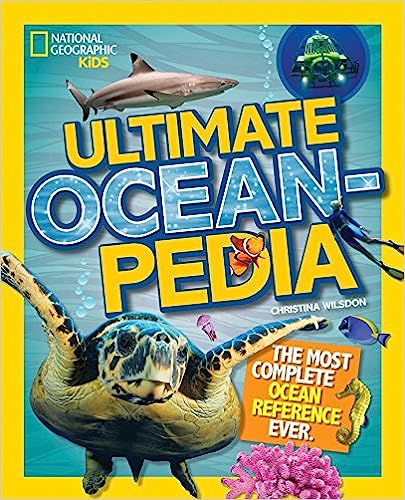
Ultimate Oceanpedia: The Most Complete Ocean Reference Ever