This year marks the 50th anniversary of the world’s most comprehensive inventory of endangered species, but it’s hardly the time for celebration. Of the 76,199 assessed species, 22,413 are threatened with extinction, according to the most recent update of the IUCN Red List. 310 species were added to its list of vanishing wildlife, including the Pacific Bluefin Tuna, the Chinese Pufferfish and the Black Grass-dart Butterfly.
“Each update of the IUCN Red List makes us realize that our planet is constantly losing its incredible diversity of life, largely due to our destructive actions to satisfy our growing appetite for resources,” says IUCN Director Julia Marton-Lefèvre. Our responsibility is to increase the number of protected areas and ensure that they are effectively managed so that they can contribute to saving our planet’s biodiversity.”
Two recent extinctions “could have been avoided”
Two species have been declared Extinct due to habitat destruction. Plectostoma sciaphilum, a snail known from a single limestone hill in Peninsular Malaysia is now listed as Extinct as a result of the hill being entirely destroyed by limestone quarrying by a large company. The St Helena Giant Earwig (Labidura herculeana) – the world’s largest known earwig attaining a length of up to 80 mm – has also gone extinct. Previously found in Horse Point Plain, a protected area on St Helena Island, the last confirmed live adult of this insect was seen in May 1967.
“These recent extinctions could have been avoided through better habitat protection,” says Simon Stuart, Chair of the IUCN Species Survival Commission. “Today’s update also highlights two amphibian species which have improved in status thanks to successful management of Colombia’s Ranita Dorada Reserve, where they occur. We need to take more responsibility for our actions to see many more successes like this one, and to have a positive impact on the health of our planet.”
Critically endangered species not all household names
This latest update includes several species which don’t enjoy nearly the same level of public exposure and discussion of their plight as tigers or pandas, but who are all suffering from similar ecological threats, such as overhunting, habitat loss and climate change. Here’s a look at seven of these new additions.
American Eel (Endangered)
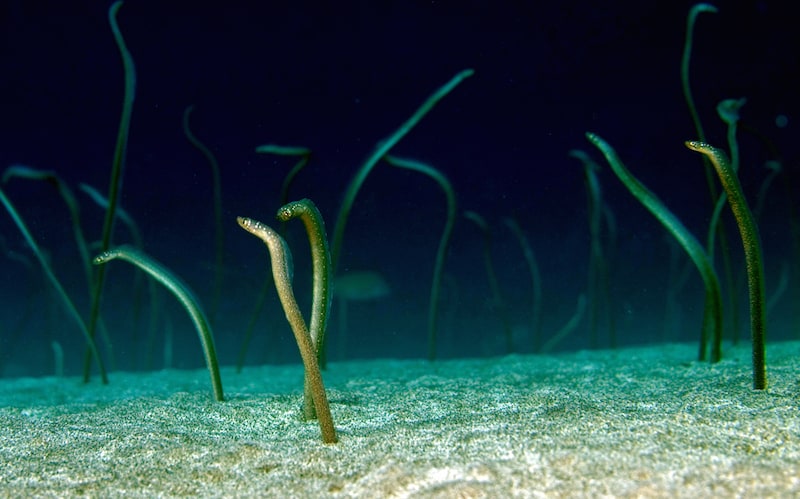
The American Eel (Anguilla rostrata), listed as Endangered, is threatened by barriers to migration; climate change; parasites; pollution; habitat loss and commercial harvest. Due to the decline of the Japanese Eel (Anguilla japonica), also listed as Endangered, the intensive eel farming industry in East Asia is seeking to replenish seed stock with other species, such as the American Eel. This has led to increased reports of poaching of the American Eel in the United States. Whilst the combination of these threats is placing pressure on the species, positive conservation action could result in an improvement in its status.
Black Grass-dart Butterfly (Endangered)
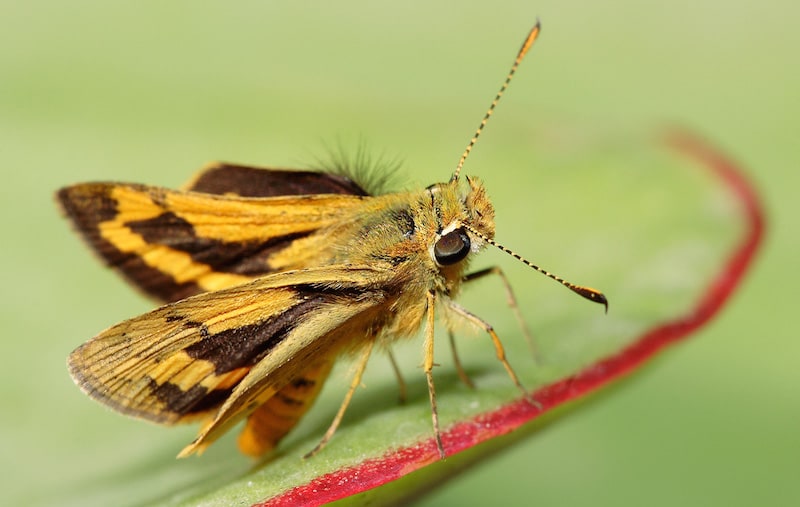
The Black Grass-dart Butterfly (Ocybadistes knightorum) has entered the IUCN Red List as Endangered. Found only in the northern New South Wales coastal region of Australia, the species is threatened primarily due to the invasion of introduced weeds and coastal development destroying its habitat. A significant proportion of its habitat exists in protected areas such as Bongil Bongil National Park and Gaagal Wonggan (South Beach) National Park, and the effective management of these areas could play an important role in securing the species’ future. The threat from weed invasion is being managed in some reserves where key habitat patches have responded well to weeding, resulting in successful habitat rehabilitation.
Chinese Cobra (Vulnerable)

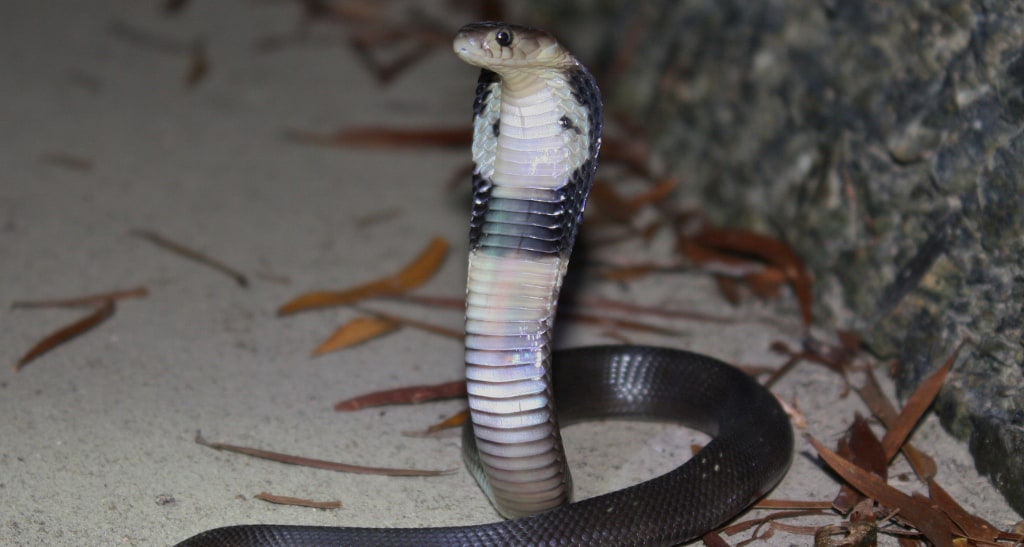
The Chinese Cobra (Naja atra) has been newly assessed as Vulnerable. Its population has declined by 30 to 50% over the past 20 years. Chinese Cobras are found in south-eastern China, Taiwan, northern Viet Nam and Lao PDR, and are among the top animal species exported from mainland China to Hong Kong for the food market. Chinese Cobras are found in protected areas such as Ailaoshan Nature Reserve, Daweishan Nature Reserve (Yunnan) and Kenting National Park (Taiwan). Although international trade in the species is regulated, there is an urgent need to strengthen national conservation initiatives to ensure its survival.
Chinese Pufferfish (Critically Endangered)

The Chinese Pufferfish (Takifugu chinensis) has entered the IUCN Red List as Critically Endangered. Its global population is estimated to have declined by 99.99% over the past 40 years due to overexploitation. A popular food fish in Japan, it is among the top four fugu species consumed as sashimi. One of the world’s most poisonous fish, fugu need to be expertly prepared before consumption. The Chinese Pufferfish occurs in several marine protected areas throughout the coastal waters of China. Conservation measures, such as the creation of marine protected areas which are annually closed to trawling, have been implemented. However, harvest still needs to be urgently controlled to prevent the species’ extinction, say IUCN experts.
Giant East Usambara Blade-horned Chameleon (Endangered)

The Giant East Usambara Blade-horned Chameleon, (Kinyongia matschiei), endemic to the East Usambara mountains of Tanzania, has been listed as Endangered. Like many other chameleons, this species uses colour for communication. It also darkens when stressed and wraps its tail around branches to remain secure. Found in the Amani Nature Reserve, a protected area, this reptile is threatened by the clearance of forests for agriculture, charcoal production and extraction of timber.
Kaputar pink slug (Endangered)
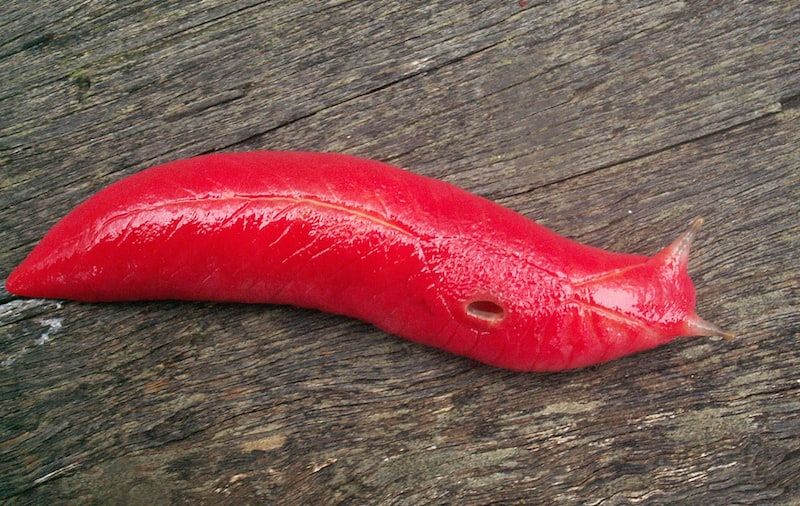
The Kaputar Pink Slug (Triboniophorus sp. nov. “Kaputar”) is a newly discovered species that is already listed as Endangered on the IUCN Red List. It is threatened by climate change and feral pigs and is only found on Mount Kaputar, an isolated, high elevation sub-alpine climate refuge in New South Wales, Australia. Having even a small increase in temperature could lead to a 55 percent habitat reduction. Bright pink in colour with white sole and optic tentacles, this species has long attracted attention in the area because of its eye catching colour and large size.
Pacific Bluefin Tuna (Vulnerable)
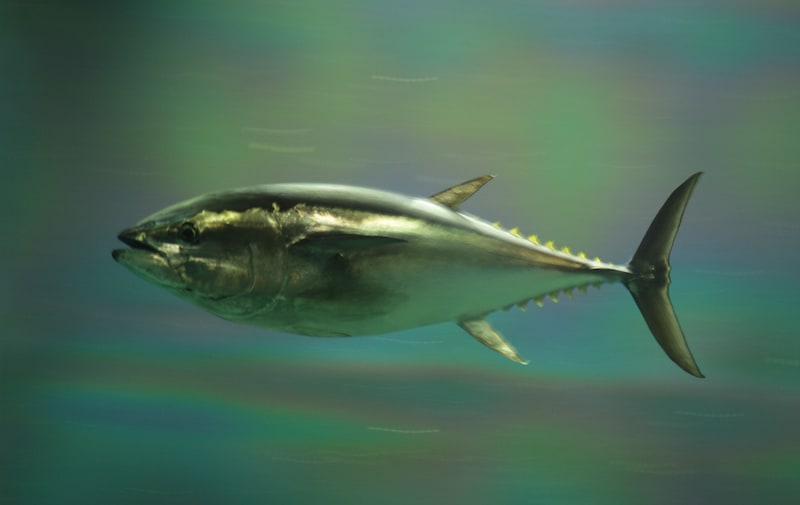
The Pacific Bluefin Tuna (Thunnus orientalis) has moved from the Least Concern category to Vulnerable, which means that it is now threatened with extinction. The species is extensively targeted by the fishing industry for the sushi and sashimi markets predominantly in Asia. Most of the fish caught are juveniles which have not yet had a chance to reproduce and the population is estimated to have declined by 19 to 33% over the past 22 years.
Featured image photo credit: Thomas Brown