Marwell Zoo in Hampshire is using poo produced by its animals to heat the park’s largest buildings using biomass technology.
The Energy for Life initiative – a first for the UK – saves 220 tonnes of CO2 equivalent each year and is an important step toward the conservation charity’s goal of becoming carbon neutral by next year.
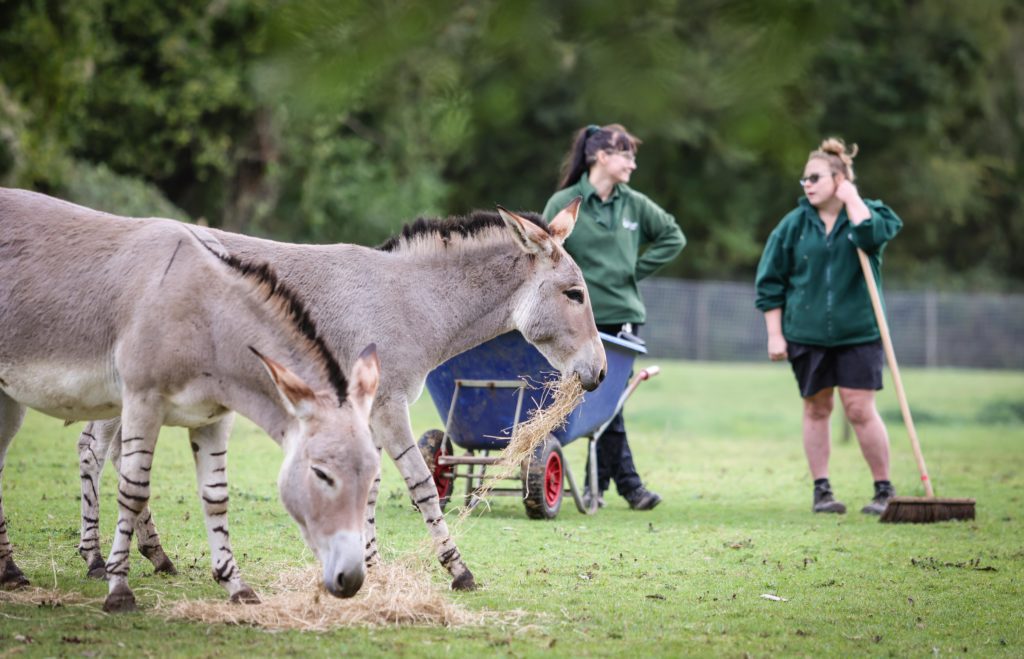
Each morning, zookeepers sweep the poo from the animal paddocks and enclosures before a mini refuse truck collects it and transports it to the Energy Centre. A digger transfers the mixture of manure and bedding to a shredder for mixing, before it is then dried and pressed into briquettes, which are fed into the boiler.
The boiler produces hot water, which is fed into a 15,000 litre thermal store, before flowing underground to heat the zoo’s Energy for Life: Tropical House, where resident animals, including a Linne’s two-toed sloth, free-flying tropical birds and crocodile monitor lizards benefit from the warm humid environment.
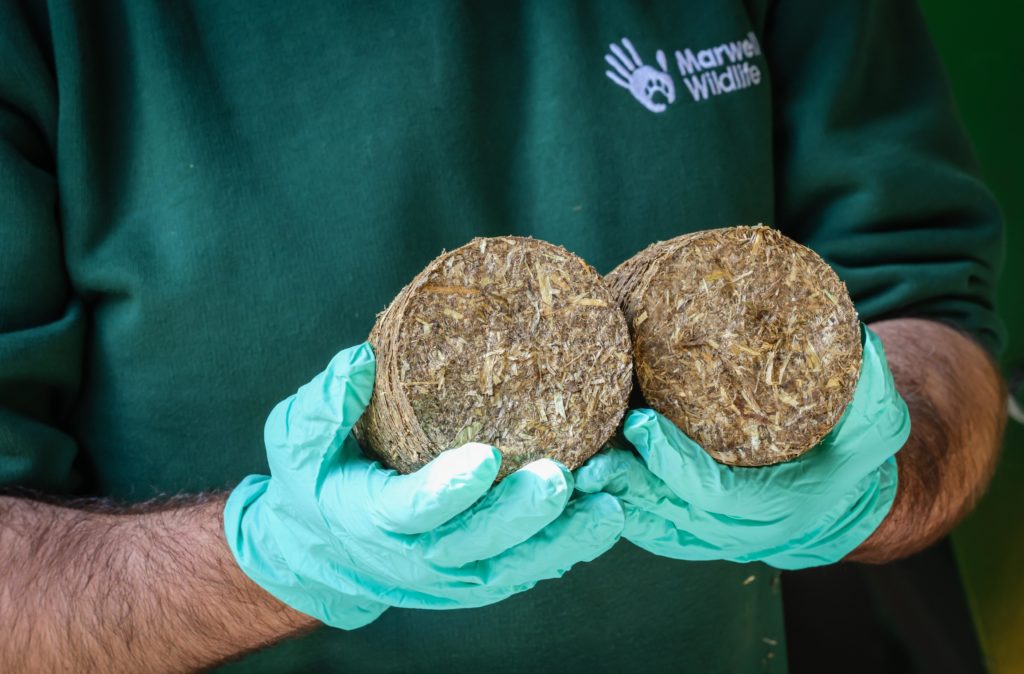
Dr Duncan East, Head of Sustainability said: “Using heat in this way from our own animals is unique in the UK and as far as we know across the world. The urgent need to reduce the burning of fossil fuels and leave these high carbon sources in the ground means we can’t act soon enough to replace the oil-fired heating systems in these buildings
“Previously 600 tonnes of animal waste were taken off-site to be composted, and this came with a significant carbon transport cost. We came up with the idea of biomass heat generation to reduce our carbon footprint and turn a previous waste stream into a valuable resource – achieving cost savings in the process.”

The biomass system’s next phase will provide heat to other buildings throughout the zoo, benefiting the okapi, primates in Life Among the Trees, and Marwell staff who work in the Grade 1 Listed Marwell Hall.
Marwell has reduced its carbon footprint by 77% since 2008 and promotes renewable energy initiatives in the local community. For formation on visiting Marwell Zoo go to www.marwell.org.uk
The Clue is in the Poo