UK wildlife charity People’s Trust for Endangered Species (PTES) is looking for volunteers to take part in its annual Living with Mammals survey.
Members of the public are asked to survey a garden or local green space once a week between Monday 26th March and Sunday 24th June, and record the wild mammals they see.
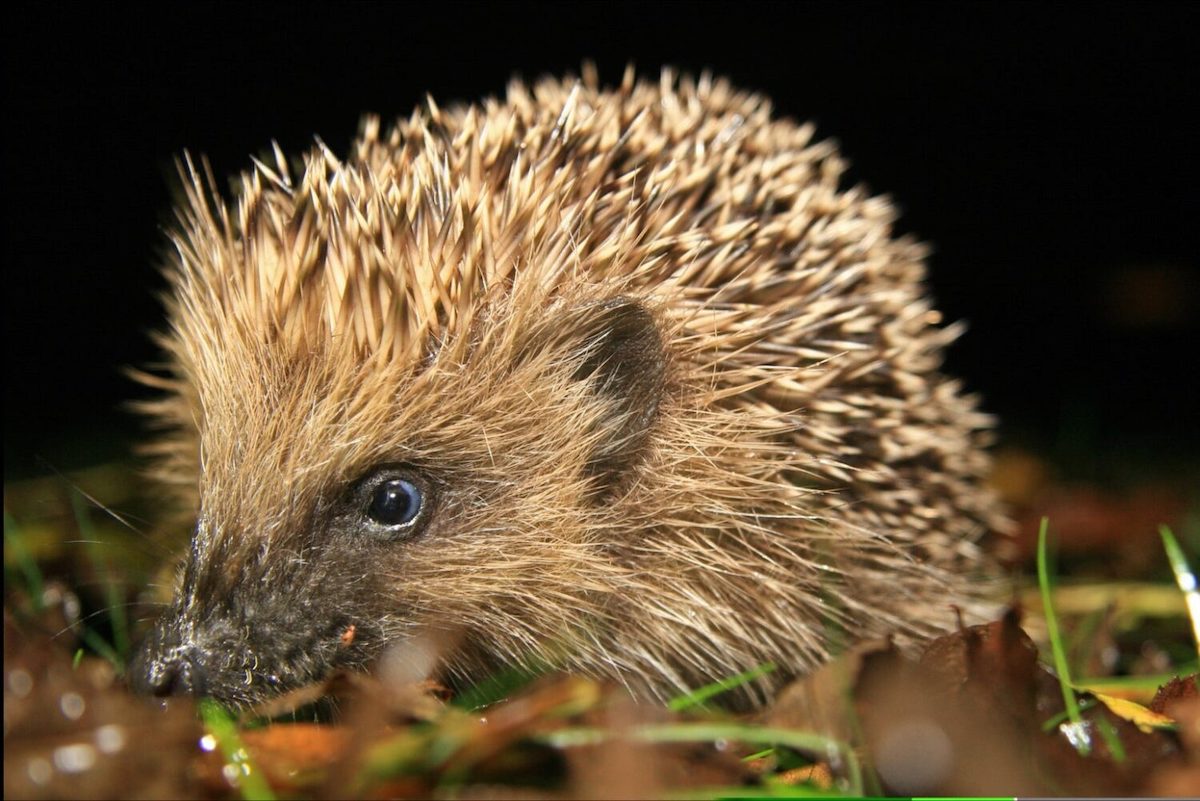
From deer to hedgehogs, and everything in between, PTES would like to register your findings and is keen to hear from anyone in the UK who can give up some of their time this spring.
The wildlife charity is particularly interested to hear from those living in Scotland or the north of England, especially as these areas are home to some of Britain’s rarest mammals, such as red squirrels and pine martens.
Other wildlife to look out for, which PTES list as of conservation concern in the UK, include: bat species; hedgehog, badger, shrew, roe deer, brown hare, weasel, stoat, water vole, otter, hazel dormouse and fallow deer.
Any green space can be chosen to survey, including a rural or urban garden, an allotment, a park, or a green space near to work, as long as the site is within 200 metres of a building. Once a suitable space has been identified, PTES is asking volunteers to visit www.ptes.org/lwm each week to record any sightings of mammals, or the signs they leave behind, such as droppings or footprints. Here they can also view a guide on how to spot mammals, and how to tell a pine marten from a polecat, if you’re lucky enough to see one!
David Wembridge, Surveys Officer at PTES explains: “Understanding how wildlife in our towns and cities is changing is essential in supporting our wild neighbours such as foxes, rabbits and hedgehogs. We’ve always shared our green spaces with wildlife, so by counting the number of mammals each spring, we can tell where conservation efforts are needed most. By identifying population trends, finding pockets where certain species are thriving or under pressure, we can ultimately encourage biodiversity around us.”
Many of Britain’s mammals, including hedgehogs, foxes, grey squirrels and bats, are typically found in household gardens, recreational areas, cemeteries and brownfield sites, but other green spaces close to buildings may also provide a home to them. However, there are some mammals that only live in certain parts of the country: for example, hazel dormice, which are rare but occasional visitors to gardens, are mostly found in southern counties of England and in Wales.
To take part in PTES’ 2018 Living with Mammals survey, register online at www.ptes.org/lwm. The survey can also be completed via a printed pack, which can be sent to your door. Just contact LwM@ptes.org to find out how.