Nestling in 72 acres of South Somerset is the Ferne Animal Sanctuary, which only exists because of the Second World War.
Watch Discover Animals’ videographer Geoff Moore’s report here:
Ferne was set up in 1939 by the late Nina, Duchess of Hamilton & Brandon (below) as she realised that with the up-coming war, there was a need to keep animals safe too. With men and women going off to war, there would be no one to take care of their animals and it would require a refuge for them in the safety of the countryside.
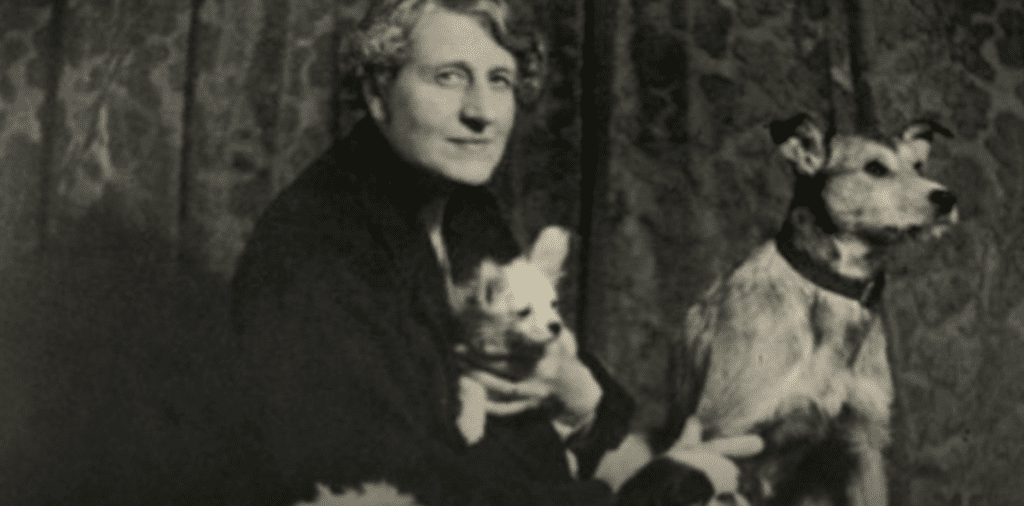
She used her home near Shaftesbury on the Dorset /Wiltshire border. Being well connected to those in power, the Duchess put a call out on the BBC and the story goes that by the time she returned to her London home, there were a number of cats and dogs on her doorstep and even a parrot! She cared for some 14,000 animals during the war period and in 1975, Ferne moved to its present location near Chard.
War just the start for Ferne
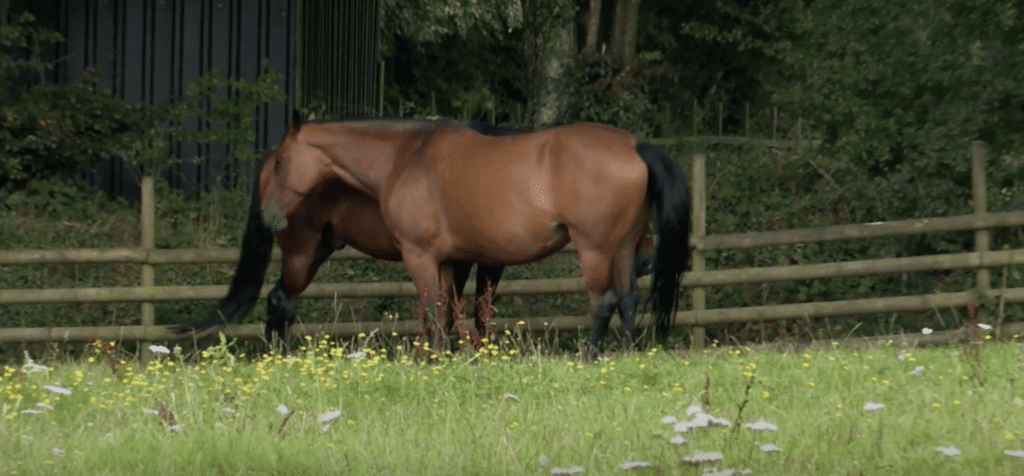
Over the last 84 years, the Ferne Animal Sanctuary has now cared for some 40,000 animals and today there are around 300 animals on the site from fully grown horses to tiny Finches.
The Ferne complex is located a few miles from Chard and Geoff recommends driving to it from Chard as there are some extremely narrow lanes around it if coming from a more southerly direction.
As with most visitor attractions, there is a cafe, visitors centre and shop where you can buy pet feeds as well as a range of gifts. This is not an animal petting park. However, it strives to educate how to better care for animals both large and small. The wide open spaces of the sanctuary make for a relaxing visit.
Ferne moved but the work carried on

Even if you do not want to adopt one of the cats and dogs that are available, your entrance fee and spend around the park does help to keep the sanctuary going.
Some of the animals are there because of being neglected or traumatised and they are kept away from the main visitor areas while they adjust to their new life of freedom and peace.
Walking trails and activities help make the visit. Further exploring the grounds, there are plenty of animals to see incluidng Hamish, a Highland calf that was hand reared but was unable to work on a farm and so he will live his life out at Ferne.

The sanctuary also hosts a national rewilding and breeding project involving 40 water voles being released around the ponds within the grounds.
Nina’s Cafe is a great stop off for homemade cakes, light meals, teas and coffees, and chatting with team members at Ferne is recommended. They have a wealth of information about the many creatures that they work with every day.
How to adopt a dog or cat from Ferne
Staff recommend that you have enough time to spend with your dog or cat. A dog should not be left on its own for longer than 5 hours and must be able to go to the toilet and exercise. A cat needs access to the outside and to have quality time spent with it every day.
Most dogs will require regular, twice daily exercise. Please do your breed research to get an idea of the levels of both physical and mental stimulation different breeds may need.
Breed and coat type will affect the amount your dog or cat moults. This will determine the amount of grooming (and vacuuming) required. Some breeds will require regular visits to a professional groomer.
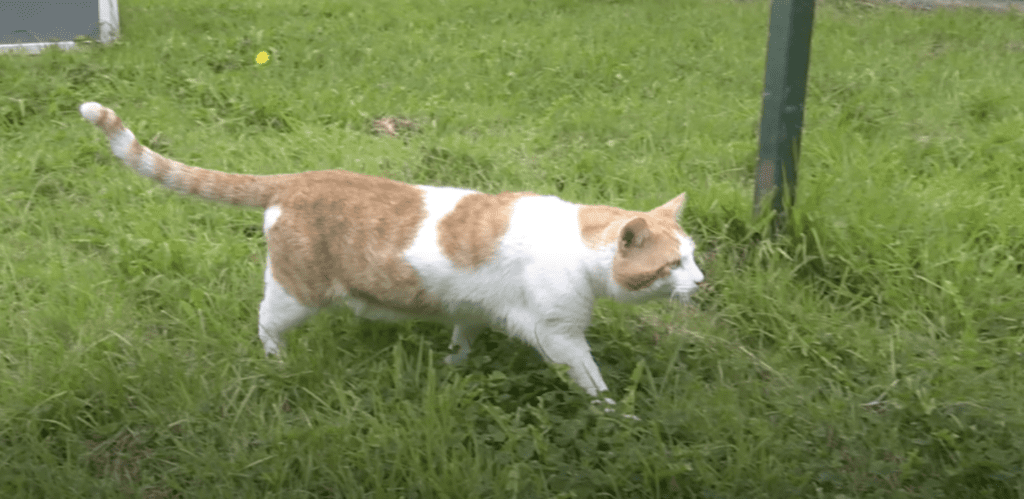
Food, veterinary bills, vaccinations, worming, flea treatments, neutering and unexpected veterinary bills for illness or injury need to be built into cost planning. Pet insurance is always recommended. All cats and dogs come with four weeks free insurance with PetPlan to get you started.
Make arrangements for while you are away such as using a boarding kennels/cattery or a pet sitter.
Even an adult dog or cat when settling into a new home may have accidents. Be prepared for some re-training and cleaning if necessary. Chewing and destructive behaviour can be a result of boredom, stress or habit. Some re-training/behavioural work may be required.
It is likely that you will have some problems with a rescued dog or cat, which will require calm, gentle handling, a lot of patience and consistency. You may need to consider the help of a training or behaviour professional in some cases.

However, if you do take on an animal, the joy of such a commitment can change your life and hopefully change the life of an animal that may have had a trauma at the start of theirs.
Entrance Fees
*£8.75 Adult
*£7.70 Child (age 3–16)
*£27.45 for a family of two adults and up to three children.
* including Gift Aid
Allowed to Grow Old – Portraits of Elderly Animals from Farm Sanctuaries