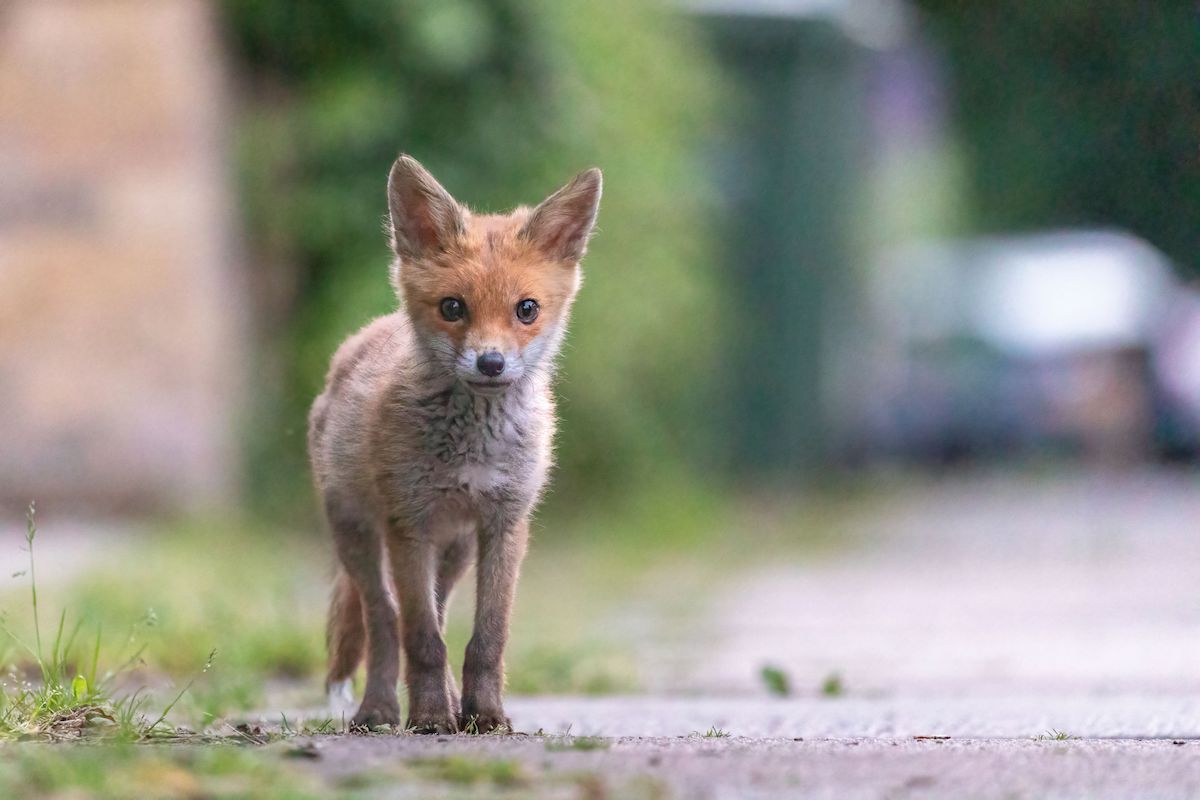
With extreme heat warnings and wildfires dominating the news in recent weeks, it’s easy to forget that local wildlife – from hedgehogs and hares to bats and badgers – may also be struggling with this summer’s harsh conditions.
But the impact of the changing climate on wildlife numbers is barely known. So, this August, wildlife charity People’s Trust for Endangered Species (PTES) is calling for people to take part in wildlife surveys both in their gardens and whilst out and about during the summer holidays, as well as offering some other practical ways to help.
“Recording wildlife day to day and year to year is key to conservation,” says David Wembridge, PTES’ Mammal Surveys Coordinator. “Without that knowledge, we don’t know what’s happening and we can’t act to save wildlife.”
PTES is looking for volunteers across the UK to take part in its two annual wildlife surveys: Living with Mammals and Mammals on Roads, which began on 1st August and run throughout the year.
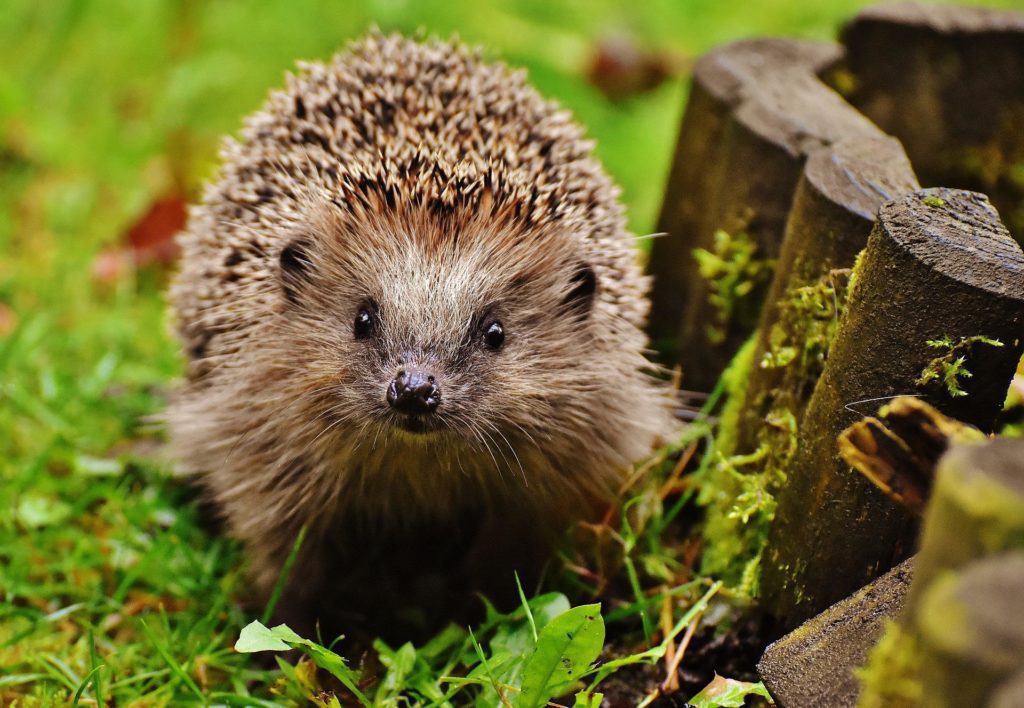
Living with Mammals is one of the country’s largest citizen science survey of mammals in towns and cities, and asks volunteers to record sightings of any wild mammals (or the signs they leave behind, such as footprints or droppings) in a garden or local green space such as parks or allotments. The survey is online and volunteers can submit weekly records.
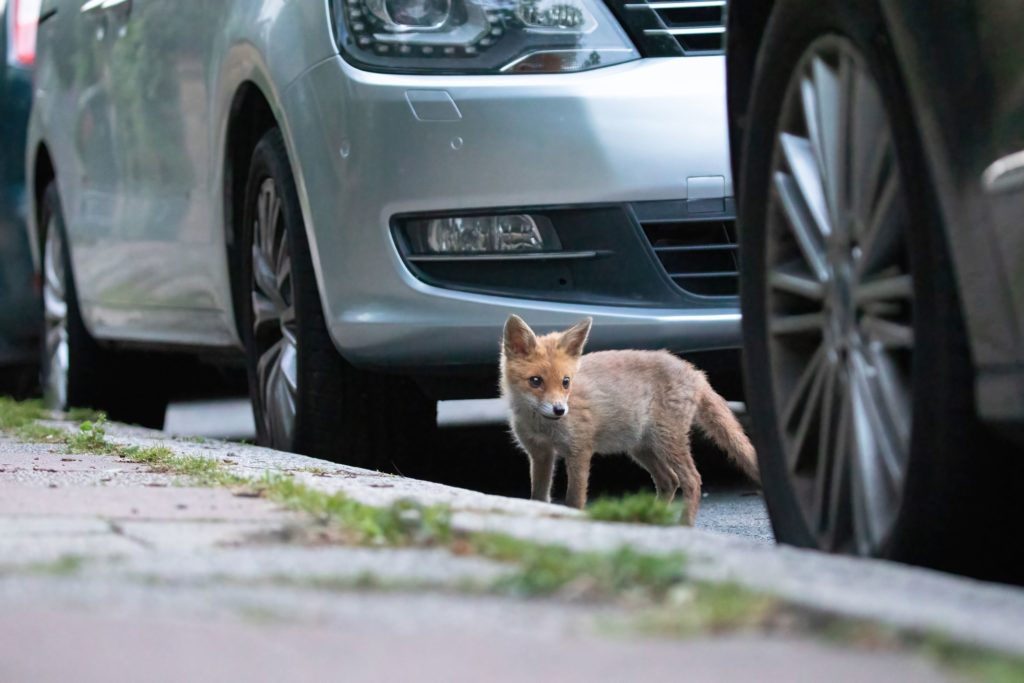
PTES also wants records from further afield to monitor wildlife in our countryside, as that’s where some of the biggest declines are being seen. So, for those without a garden or nearby green space (or for those wanting to do even more for wildlife), taking part in PTES’ Mammals on Roads survey is a great way to help. All you need to do is download the free Mammals on Roads app and record any road journeys and sightings of roadkill that you spot along the way, whether from your car, campervan or even simply en route to work.
David Wembridge explains: “No-one likes seeing roadkill, but by counting casualties we can spot how populations are changing and, importantly, where conservation action is needed. Recording roadkill, and the wildlife you see in your garden, allows us to better understand our wild neighbours and help protect the species most in need.”
Data from Living with Mammals is the basis of national reports such as the State of Britain’s Hedgehogs 2022, published by PTES and The British Hedgehog Preservation Society in February.
The survey’s findings indicated a more positive outlook for urban hedgehogs than previously thought and that numbers in urban areas might be starting to recover after a decade-long decline. Insights like this rely on long-running citizen science projects like Living with Mammals, and are vital to conservation.
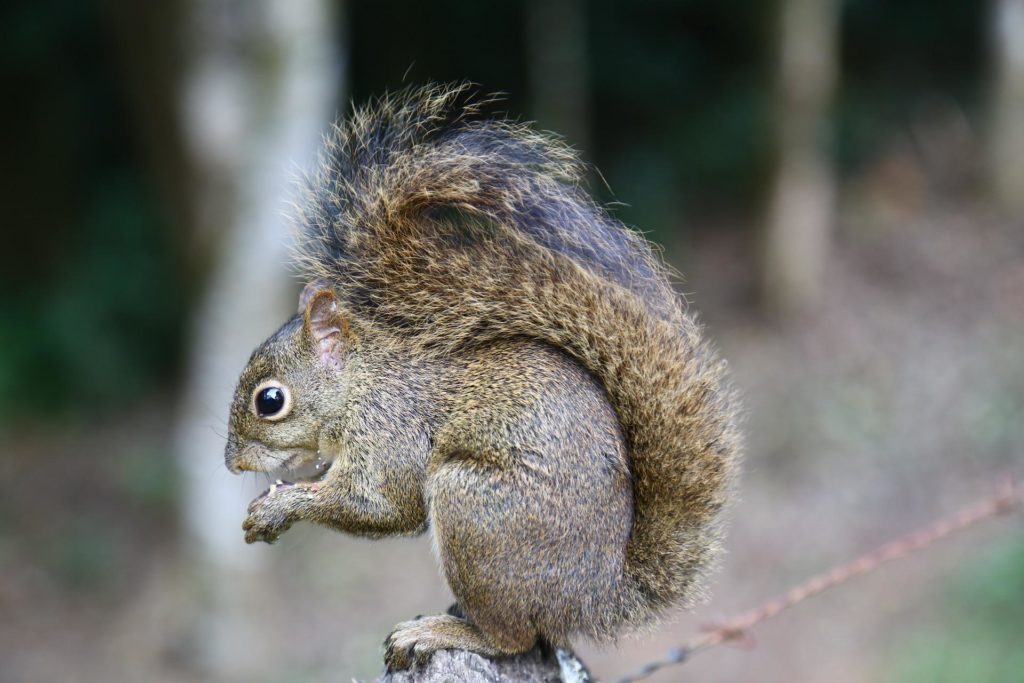
In the survey’s 20-year history, the data has also shown an increase in the numbers of muntjac being recorded, while a decrease in the numbers of bats and rabbits has been noticed. Numbers of foxes and grey squirrels have changed little.
David adds: “Understanding how wild populations, like those of urban hedgehogs, are changing is so important, and without people’s help recording the species around them, we can’t begin to conserve and protect the natural world.”
There are other garden-based ways everyone can help wildlife for the remainder of this summer too, such as:
- Providing a shallow dish of water, which will benefit ground-dwelling mammals like hedgehogs and foxes, but also birds, butterflies and other insects.
- Making sure there are areas of shade, to provide some respite from the sun on hot days
- Create a ‘Hedgehog Highway’ – a 13cm x 13cm square gap (the size of a CD case) at the base of your fence or wall, connecting your garden with your neighbours’
- If you have a pond, make sure there’s a ramp so that any wildlife that goes in can get back out safely!
- Create log piles for invertebrates, such as stag beetles
To help mammals this summer, visit: https://ptes.org/make-mammals-count-this-summer/
And, if you’re on social media, help PTES to spread the word by using #LivingWithMammals and #MammalsOnRoads.
About PTES
PTES, a UK conservation charity created in 1977, is ensuring a future for endangered species throughout the world. It protects some of our most threatened wildlife species and habitats, and provides practical conservation support through research, grant-aid, educational programmes, wildlife surveys, publications and public events.
PTES’ current priority species and habitats include hazel dormice, hedgehogs, water voles, noble chafers, stag beetles, traditional orchards, native woodlands, wood pasture, parkland and hedgerows.
Main image credit: Paul Saunders
Collins Complete Guide to British Wildlife