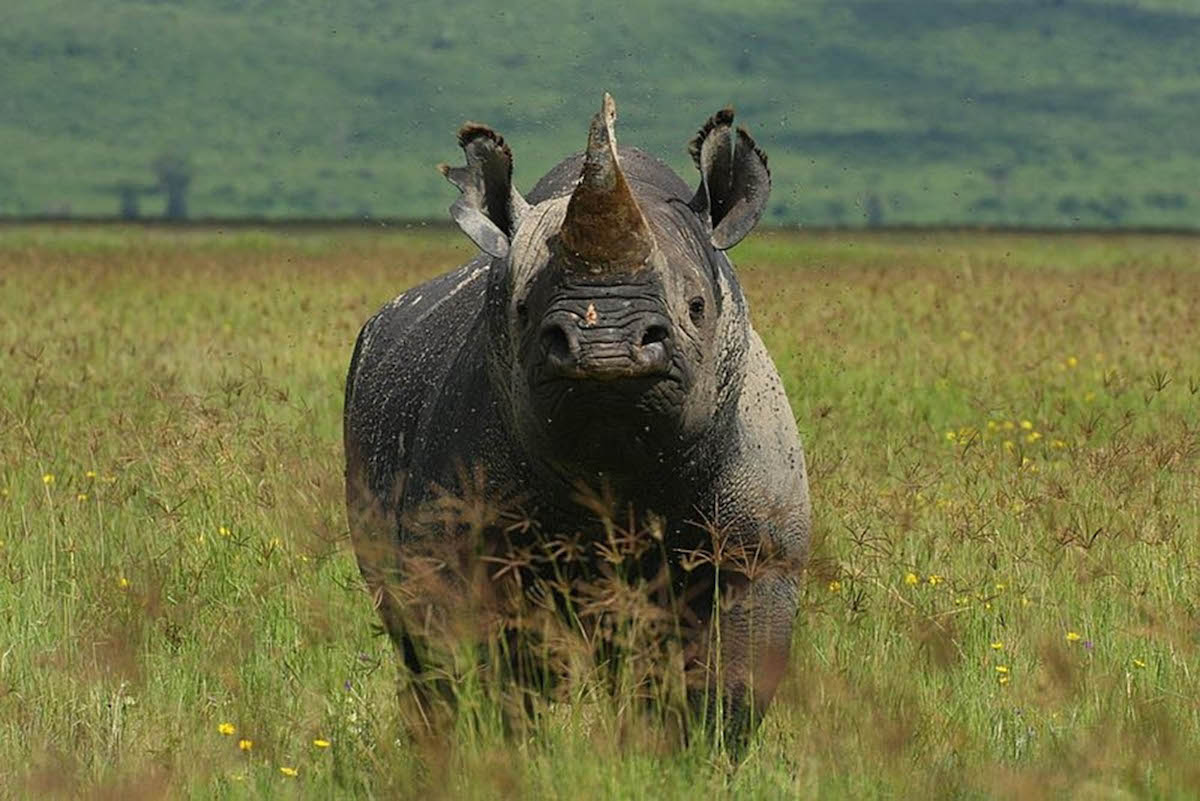
The recovery of the white rhino population over the last century is thanks to the hard work and conservation efforts of zoos, safari parks and nature organisations around the world. All the more reason to see with deep sadness that the black rhino population is now suffering a huge crisis due to a massive jump in poaching sweeping th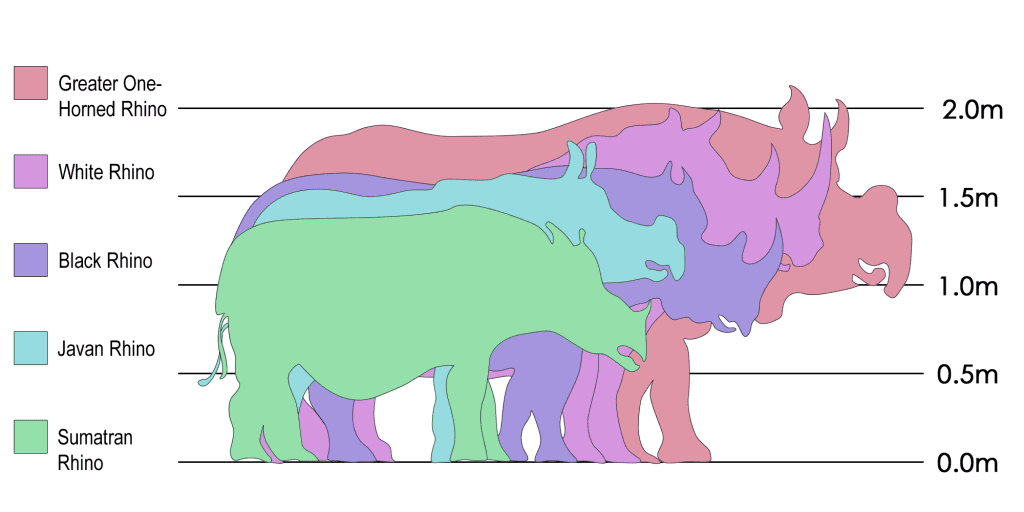 e African continent.
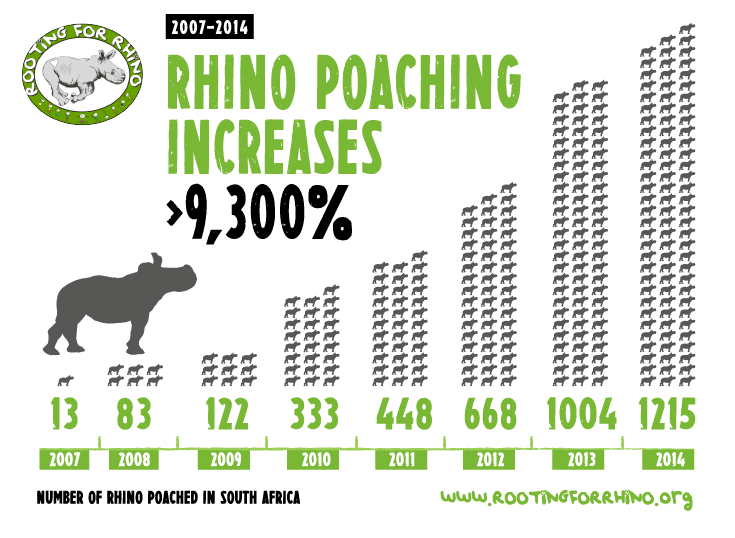
Rhino have been on our planet for 50 million years, with South Africa their main home. There are now believed to be less than 2,000 black rhino in the country and at the current poaching rate, all rhino are likely to be extinct in the wild in the very near future. More than 3,800 rhino have been horrifically poached for their horns since 2008, many whilst still alive, and South Africa has borne the brunt of this.
The reason for the jump in poaching is down to the huge rise in the value of rhino horn, now the world’s most expensive commodity, led in particular by demand from Asia – where it is believed to possess healing properties. It is also used as a symbol of wealth and social status among affluent communities there. Unfortunately, there is no indication that the rhino poaching crisis is coming under control, as rhino deaths continue apace despite government responses to combat poaching, including the deployment of army personnel along the border between Kruger National Park and Mozambique. Highly sophisticated criminal syndicates are involved in the trafficking of rhino horn and they supply poachers in Africa with high-tech equipment to locate and kill the rhinos.
 The rise in trophy hunting in the west
Trophy hunting has been in the media a lot in recent days since the killing of Cecil the lion, and this pastime is also affecting the rhino population. Around 20-25% of rhinos in South Africa are now privately owned, with a significant incentive for this the ability to make money through trophy hunting, the poverty endemic in parts of the African continent being a large catalyst for this. There has been a significant rise in trophy hunting in the West, something which has not been helped in South Africa where rhino were placed on the Appendix II listing of CITES (the Convention on International Trade in Endangered Species of Wild Fauna and Flora) in 1994, but with special exemption for sport hunting. The export of hunting trophies has therefore remained a legal mechanism for the international movement of rhino horn.
Preventative measures
 Many organisations are working around the world to help combat the rhino poaching situation. One of these is Rooting for Rhino, which was established in 2012 as a not-for-profit rhino conservation group. Their mission is to end the rhino slaughter to ensure survival for future generations with three main aims: to create international awareness and education; to drive policy and legislation change; and to fundraise for rhino protection. These aims were driven by the resuce of Thandi, who was amongst three rhinos poached at the Kariega Game Reserve in the Eastern Cape in South Africa in March 2012. Tragically, one male rhino was fatally injured and died. Even though the remaining rhinos, Thandi (meaning Courage in isiXhosa) and Themba, had their horns brutally hacked off their faces with panga machetes, they survived the poaching. Themba sadly lost his fight to stay alive 24 days after the poaching but Thandi defied all odds, steadily recovered from her brutal injuries, and miraculously gave birth to a calf called Thembi (meaning Hope in isiXhosa) in January 2015.
The veterinary surgeon who attended the scene, Dr William Fowlds, was so affected by it that he made sure the story was shared to encourage people all over the world to take a stand against this atrocity. Thandi’s survival continues to inspire anti-poaching around the world and you can follow Thandi and Thembi’s story in more detail on Kariega Game Reserve’s journal.
It is because of the Kariega Game Reserve poachings and Dr. William Fowlds’s global call to help rhino that Rooting for Rhino was founded. A small dedicated team based in the UK and South Africa volunteer their spare time to fight the war on rhino poaching and help save them from extinction, and 100% of the profits are directed to conservation projects.
The USP of Rooting for Rhino is the close connection to schools around the worlds, facilitating what the organisation has dubbed ‘Human Rhino Formations” as part of ‘School Challenges’ to raise awareness and funds.
Hazel Hoole, Rooting for Rhino’s UK Director, says, “We believe we are the only organisation in the world who do this. A Human Rhino Formation is a symbol of strength in numbers when a group of concerned citizens stand united against poaching in the demarcated shape of a rhino in an open space to help prevent rhino extinction.”

Within the School Challenge, children are taught about rhino conservation and the environment and are encouraged to raise awareness and funds in whatever way they feel best. Rooting for Rhino have worked with schools from South Africa, the USA, Canada, Malaysia, and the Netherlands and are currently looking for school participants from the UK. If you would like to work with them, please contact Hazel Hoole via the website and you can find more information here: http://www.rootingforrhino.org/school-challenge.cfm
Further useful links on rhino conservation include:
http://www.pbs.org/wnet/nature/rhinoceros-rhino-horn-use-fact-vs-fiction/1178/
Many thanks to Rooting for Rhino for the use of their images within the text.
Main image credit: Demetrius John Kessy