REVIEW
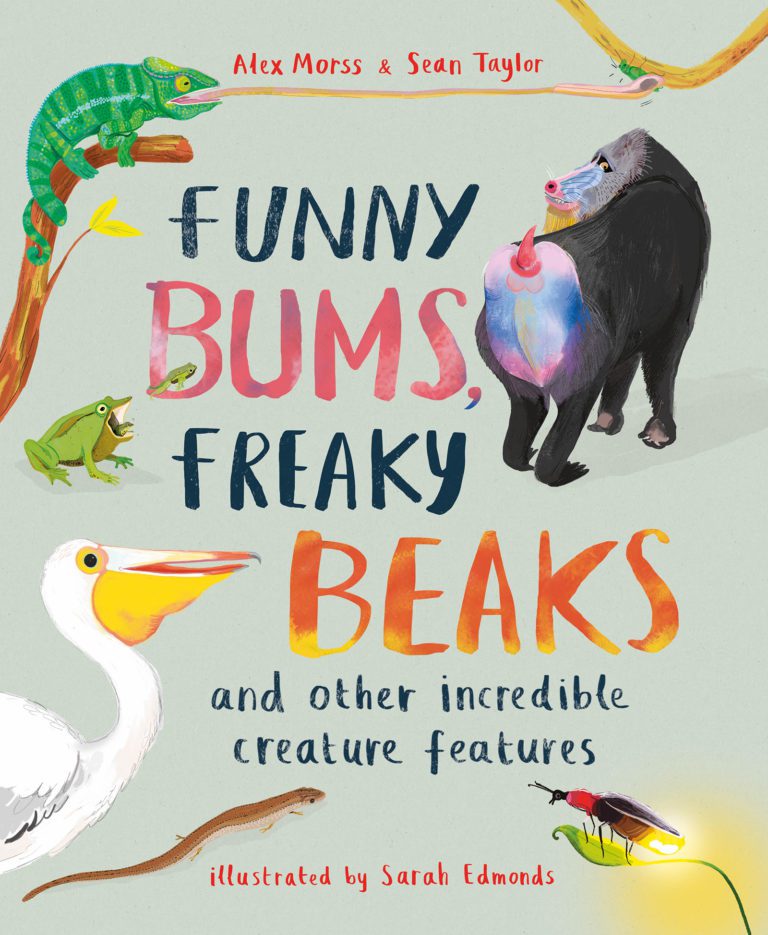
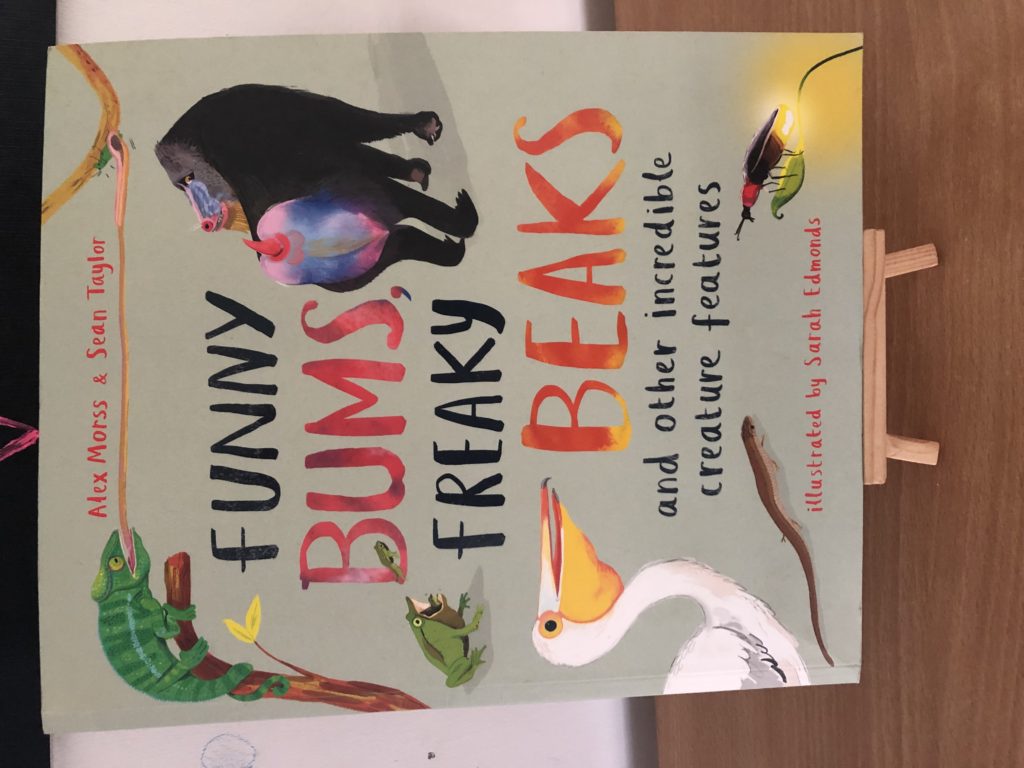
In Funny Bums, Freaky Beaks: and Other Incredible Creature Features, authors Alex Morss and Sean Taylor have created a fascinating collection of unusual creatures with amazing characteristics, celebrating the diversity of life on earth.
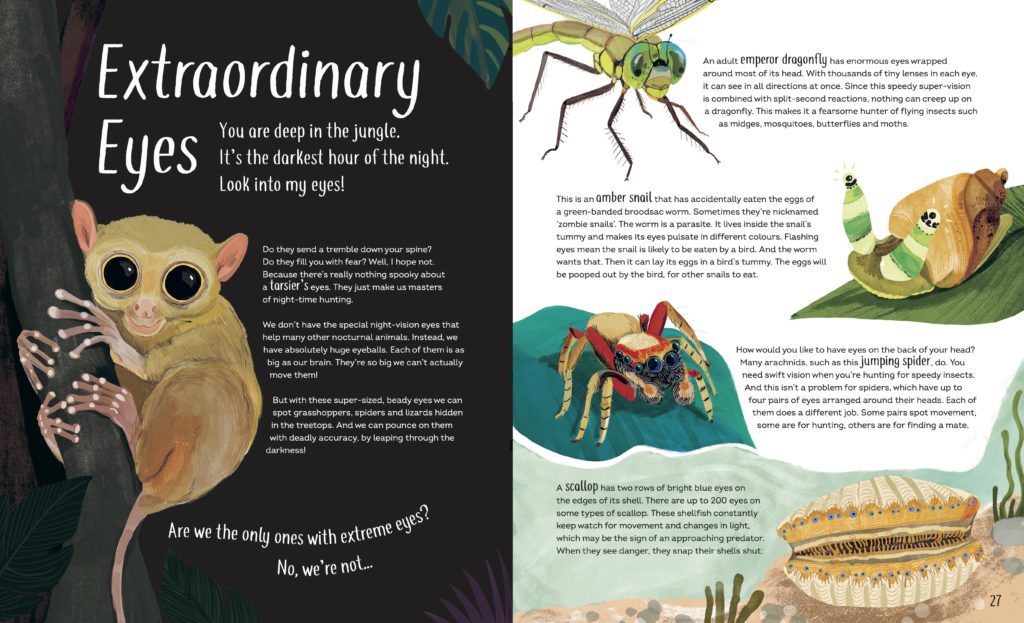
From puzzling toes to weird ears, and all the other body parts in between, the book includes fantastic illustrations and facts, and includes a section at the back about how to help wildlife near where you live or what can be done to protect endangered species. The book perfectly carries the take-away message that everybody and everything is strange and wonderful in its own way – that difference should be celebrated.
Q&A WITH AUTHOR ALEX MORSS
Discover Animals introduced Funny Bums, Freaky Beaks… to the Year 1 class at Guestling Bradshaw Church of England Primary School in East Sussex and, as well as loving the book, they came up with some excellent questions for author Alex Morss:
1. What first made you think of the idea for the book?
I work with a lot of wildlife. It means I have to understand lots about animals and plants and what they need to survive and live well. When you study wildlife, you notice more and more about how strangely different all the wonderful creatures in the world are, and that there is often a hidden reason life is the way it is. Science begins with noticing and asking questions, that’s where the idea came from. Sean Taylor, who wrote the book with me, loves sharing fun about animals with young people so together we knew we had a recipe for a book that children would love.

2. What goes into making a book like Funny Bums, Freaky Beaks…?
A sense of humour, curiosity, and a love for finding out and then sharing interesting fun facts about wildlife. It helps if you know stuff about your subject too! And lots of hard work. It doesn’t feel like hard work if you enjoy what you do though.
3. How did you discover all the facts for Funny Bums, Freaky Beaks… and were there any that you had to leave out that you would like to share?
I had some ideas already because I have spent many years working with wildlife, writing about it and also researching it as a student, a writer and ecologist (an ecologist is a type of field scientist). The funny facts are mostly known thanks to thousands of brilliant biologists and naturalists around the world who spend many years in the field researching their favourite wild animals and sharing their findings. Today, people do this mostly by writing about them in scientific journals but also through photography and film. In the old days before TV and the internet, people used to collect examples for museums and zoos. These are some of the ways the world learns more and more about science and wildlife.
We had to leave many animals out of the book; there are many more funny creatures with incredible stories and special skills or features. Look around you and you will probably discover some too. If you do, look them up online and see if you can find out more about their special character and why they look they way they do. Perhaps you can put together a journal collection of your own favourite animal creature features?
4. One of our favourite parts of the book is when the Texas horned lizard shoots blood from its eyes – have you met one in real life?
Ah this animal is wonderfully unique. I have met them in zoos but not in the wild. Like many animals, they are threatened in the wild. Although their superpowers help defend them from animal attackers, they also need a good home in the desert and space to live safely away from people.
5. We liked the blue-tongued lizard too – is electric blue a popular colour in the animal kingdom?
I love him too! You will find every colour in the animal kingdom, and some animals use colours to shock or to impress, for camouflage or to warn of danger. In this case, the lizard knows its tongue gives a useful warning. Have you ever tried sticking out your tongue to tell people to leave you alone? Did it work?! Try doing it after eating a blue ice lolly! Does it get a different reaction from people? Don’t blame me if you get into trouble though!
6. What is your favourite fact about bums, beaks or tongues?
Oh gosh this is a difficult question – so many good funny facts! Every day I change my mind about which one is best, they are all good for different reasons! Today I am admiring the sea cucumber with teeth on its bum for keeping fish out. I don’t think I’d want teeth on my bum though – would you?!
7. What other books have you written?
Sean and I have written three other books on how wildlife copes with the changing seasons including more stories about animal adaptations to help them where they live. We’ve written Winter Sleep: A Hibernation Story; Busy Spring: Nature Wakes Up and Wild Summer: Life in the Heat. We also have an autumn wildlife book coming next year.
8. How did the illustrator become so amazing at art?
The artist is Sarah Edmonds. She does some very funny art. Some of it is a little bit rude and silly too. She taught herself to draw and got better and better just be practising a lot. Have you tried doing that?

9. If we could do one thing today to help endangered species, what would it be?
There are lots of things you can do. Our biggest impact on wildlife is the food we eat and how it is grown as it takes away spaces for wildlife to live. So reduce how much red meat you eat, choose organic or rainforest-friendly foods, and don’t waste food. Also, join a wildlife charity to learn how you can help wildlife in your garden, school grounds, park or neighbourhood.
“Funny Bums, Freaky Beaks… is such a lovely book and the children loved it. It is one I am going to buy for home!”Year 1 Teacher

Alex Morss (above) is an independent ecologist, journalist, author, educator and campaigner. With 20 years of experience in publishing and 15 years in ecology, Alex’s work involves defending and promoting the conservation of protected species and their habitats, and creating opportunities for others to make exciting discoveries about the natural world, plus writing, editing and broadcasting on nature, science, conservation and the environment.
Sean Taylor is an author, poet and playwright who has written more than 40 books for young readers including Hoot Owl, Good Dog and Winter Sleep: A Hibernation Story, which he co-authored with Alex Morss.
About the illustrator:
Sarah Edmonds is a freelance illustrator on projects with publishers, museums, national parks and charities. Alongside this, her collection of playful illustrated gifts has grown, and are sold online and in gift shops.
Funny Bums, Freaky Beaks: and Other Incredible Creature Features is published by WelBeck Editions and can be bought at bookshops including:
Funny Bums, Freaky Beaks: and Other Incredible Creature Features