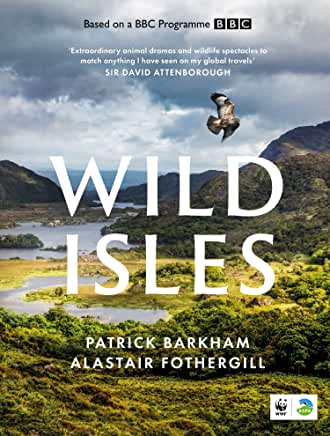
As the last episode of the new Wild Isles series, narrated by Sir David Attenborough, aired last night, a reminder that the National Trust, RSPB and WWF are urging everyone in society to come together to halt the destruction of UK nature and take urgent action in their Save Our Wild Isles campaign.
Millions of people from all walks of life discovered the wonder but also the fragility of UK nature through the series and now, three of the UK’s largest conservation charities, with 324 years of combined experience and 8.5 million combined members, are using their collective voice to call on all sectors of society across the UK to act.
The Save Our Wild Isles campaign highlights not only how nature underpins everything that makes our lives possible, but also how profoundly threatened it is.
The charities say there is just enough of the UK’s natural world still left to save, and if everyone – the public, communities, businesses and our leaders – urgently works together to aid its recovery, nature can begin to thrive again within the next few decades.
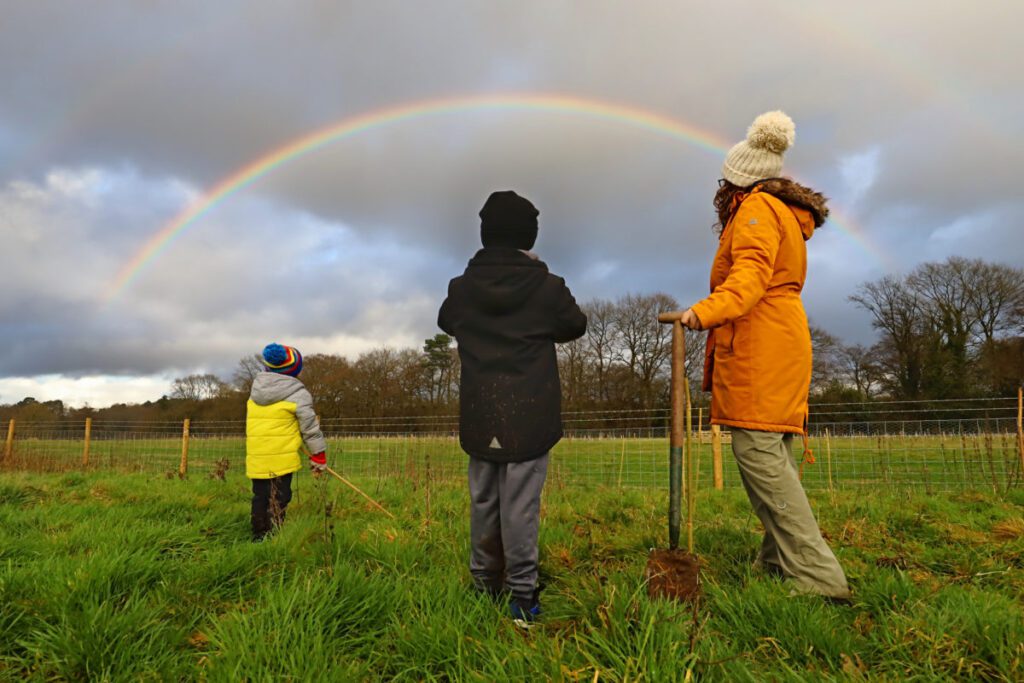
Against a background of unprecedented anxiety about nature loss and climate change, the charities are calling on the public to show their love of nature by committing to “Go Wild Once a Week”. That could mean making space for nature in our neighbourhoods by planting wildflower seeds in a window box or green space, eating less meat or getting involved in local community projects, or joining the charities in urging our leaders to act now for nature’s recovery.
Leaders and businesses must act now to implement a crisis response to the nature emergency to build on the promises they have made to halt the destruction of nature and speed its recovery.
A new YouGov poll commissioned for the Save Our Wild Isles campaign revealed over three-quarters, (76%), of people in the UK are worried about the state of nature. The UK is in the bottom 10% of countries globally for protecting nature, yet only 5% believe the UK to be one of the worst countries in the world at preserving nature, with 55% mistakenly believing that the UK is on a par with the rest of the world or even doing better.
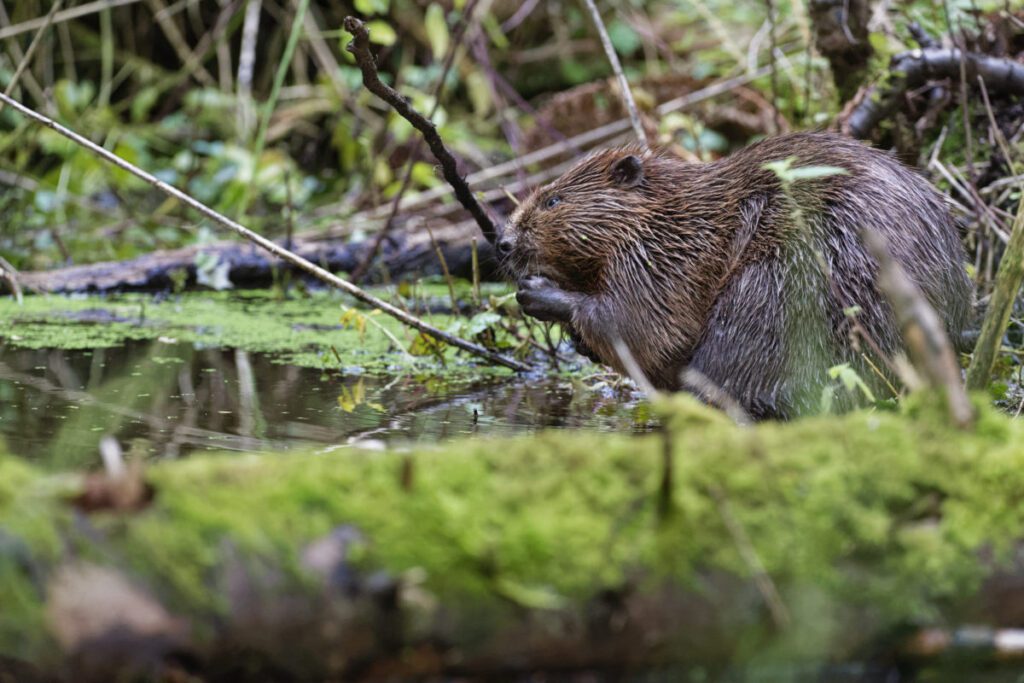
The UK is home to some of the most spectacular species on Earth – from puffins to orcas, bees, beavers, butterflies and ancient oak trees – but we are pushing nature to the brink. Last December, global commitments were made which highlighted we have just seven years left to halt and reverse the loss of our natural world.

To help support these calls, one of the first actions the charities will be taking is to engage hundreds of businesses and thousands of employees on the crucial impact that business plays in the fate of nature in the UK, and providing tools and guidance on how to take positive action.
The charities will also be providing guidance, advice and inspiration for how people and communities can play an active role in restoring nature near to them. The charities’ partners and celebrity ambassadors are also encouraging everyone to play their part, with further announcements coming in the weeks and months ahead.
In a joint statement, Hilary McGrady, Director-General National Trust, Beccy Speight, Chief Executive of the RSPB and Tanya Steele, CEO of WWF (UK), said: “The amazing wildlife and wild places that make the UK so special are being destroyed at terrifying speed. Huge numbers of animals, birds and habitats have been quite literally wiped out in our own lifetimes and we must now accept that without urgent and collective action, our economy, the climate and the stability of future generations living in our wild isles all face a ticking timebomb.
“Nature underpins everything that makes our lives possible – from the air we breathe, to the clean water we drink, to the food we eat. It is our life-support system, and it’s clear that nature’s recovery, and the desire to reverse the harm we have inflicted over the last two centuries, are issues that unite us all. Together, we can save our wild isles.
“It is a massive challenge, and we need to act fast, but there is hope. The science is clear about what we need to do and there are already amazing people transforming farms, businesses, coasts, urban spaces, transport networks, energy supplies and communities for nature. We just need much more of it.”
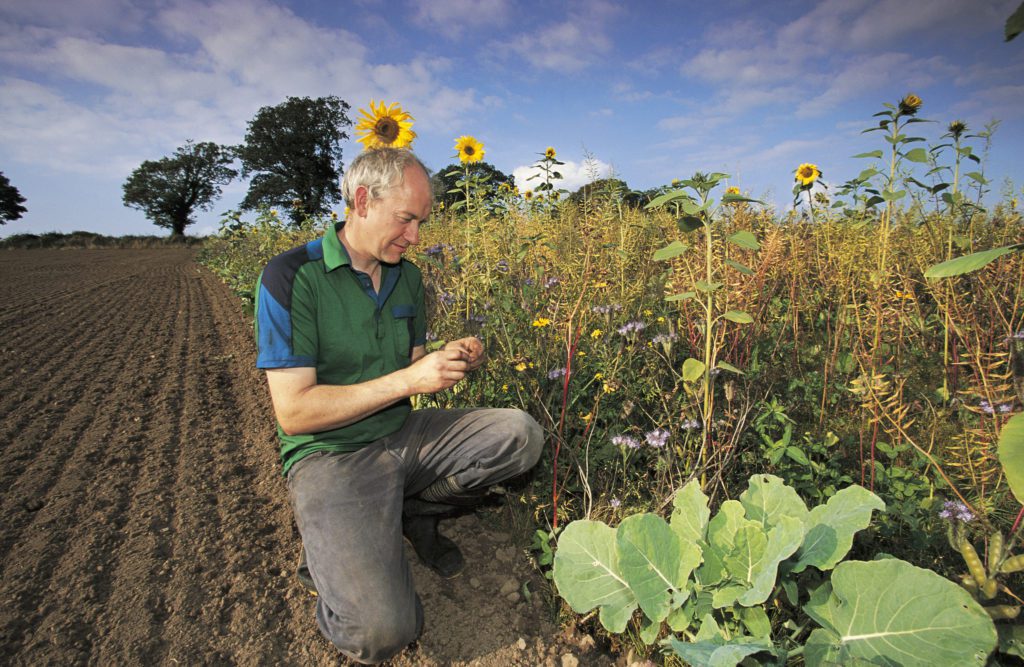
In the last 50 years, 38 million birds have vanished from UK skies, 97% of our wildflower meadows have been lost since the 1930s, and a quarter of all our mammals, including water voles and Greater mouse-eared bats, are at risk of extinction. The nature crisis and climate change are two sides of the same coin, so protecting nature is key to stopping the destruction of our planet and our way of life.
The majority of the public in England, Wales and Scotland see nature as a crucial lifeline and an essential part of daily life. Over two thirds (70%) of respondents in England, Wales and Scotland were worried about the impact nature loss would have on their life – 66% said it would negatively affect their health while 63% said it would negatively affect their family’s health.
Working with nature and not against it gives us cleaner air to breathe, better water to drink and healthier food to eat. A growing body of evidence also shows that time spent in nature makes us happier and healthier.
Sir David Attenborough, WWF Ambassador has also said: “The truth is, every one of us, no matter who we are, or where we live, can and must play a part in restoring nature. It’s easy to feel overwhelmed or powerless by the scale of the issues facing our planet, but we have the solutions. I am hopeful for the future, because although nature is in crisis, now is the time for action, and together we can save it.”
The demand for change is clear, with over two-thirds (68%) of people in England, Scotland and Wales saying the UK Government is doing too little to tackle nature loss.
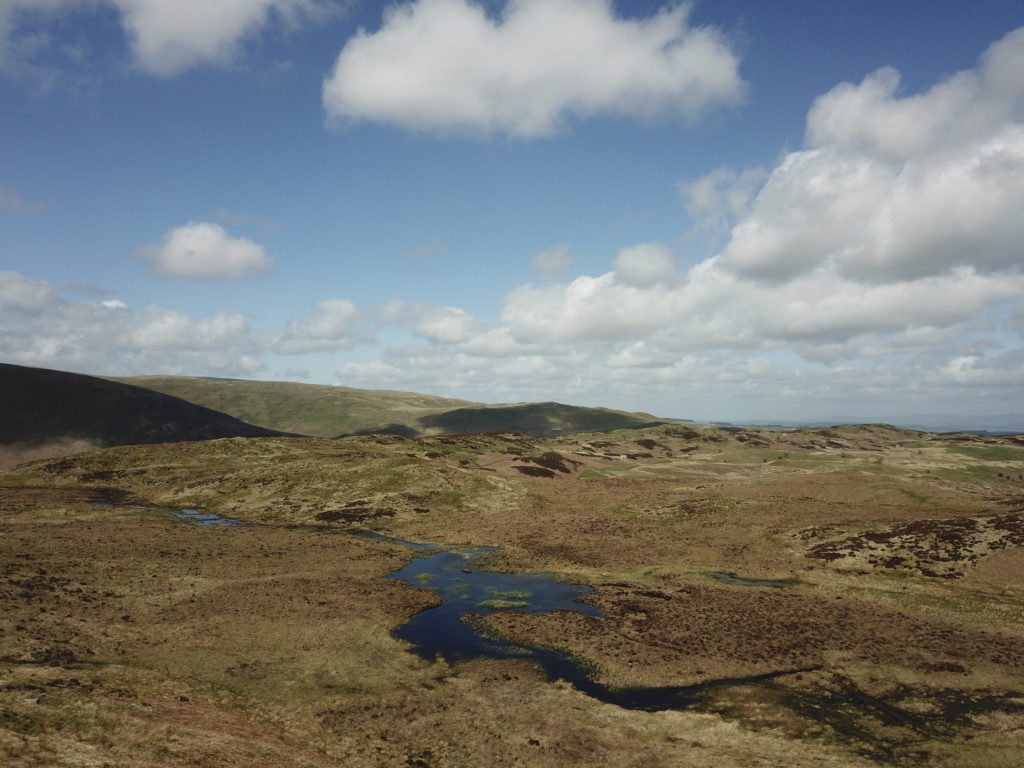
The poll also revealed overwhelming support (83%) for all political parties coming together to devise an action plan for protecting nature, while 80% of people backed harsher penalties for businesses that contribute to the decline in nature. It comes during an ongoing row over water companies’ involvement in water pollution after it was revealed only 14% of UK rivers in England are in good ecological health.
The three CEOs continued: “Everyone, everywhere can make a difference to nature in this country. Protecting and restoring nature needs to be at the heart of all decisions and we will see rapid change if we all stand together and act together.
“The health and wellbeing of our planet and future generations depend on it.”
For more information and to Save our Wild Isles visit www.saveourwildisles.org.uk
Key nature stats:
- Since 1970, over 40% of UK species populations have declined. [Source: State of Nature Report 2019 – note: 49% for Scotland since 1994.]
- Only 5% of our land is effectively protected for nature. [Source: RSPB]
- The UK is in the bottom 10% of countries globally for protecting nature. [Source: Biodiversity Intactness Index, Natural History Museum]
- The UK has an average of only 53% of its biodiversity left. [Source: Living Planet Index, Natural History Museum]
- Since Sir David Attenborough was born in 1926, the UK has lost almost half of our ancient woodland, and now we are one of the least forested parts of Europe.
Freshwater
Tragically, we’ve lost 90% of our vital wetland habitats in the last 100 years, and three quarters of our irreplaceable chalk streams are in poor condition. Many rivers have been straightened for development, fragmented by concrete barriers, or polluted by discharge from sewage treatment works or run-off from farmland. Shockingly, only 14% of rivers have good ecological health in England, with that number rising to 33% in Northern Ireland, 40% in Wales and up to 66% in Scotland.
When our rivers, wetlands, lakes and ponds start to die, the wildlife that depends on them dies too. Sadly, 60% of our freshwater and wetland species are already in decline, and 13% are already at risk of extinction in the UK, including the Atlantic salmon, European eel and white-clawed crayfish.
Grasslands
Our grasslands are vital, but intensive farming methods have degraded them. Most species of farmland birds are declining, 97% of our wildflower meadows have been lost since the 1930s. The loss of our grasslands has had a profound impact on wildlife, contributing to 50% of our butterfly species and 40% of the UK’s pollinating insects now being at risk of extinction.
Tree sparrows, corn buntings, turtle doves, grey partridges and yellow wagtails have all decreased by more than 70% since the 1970s. Red-backed shrikes have become extinct in the UK and whinchats have disappeared from the lowlands. Even birds we think of as common, such as starlings, are in serious trouble.
Scotland and Ireland are home to 80% of the world’s machair – one of the world’s most important types of grassland, which supports hundreds of rare flowers and insects. We need to preserve what’s left of this precious habitat and support farming communities to do the same.
Woodlands
Only 13% of the UK is covered by woodland – one of the lowest figures in Europe – and half of this is non-native plantations, which aren’t as beneficial for wildlife. Only 2.5% of the UK is covered by ancient woodland, areas such as the temperate rainforests on the west of our isles, which are home to lichens found nowhere else on Earth, and the Caledonian pinewoods, a stronghold for capercaillies, ospreys and red squirrels.
Our native woodlands are at a crisis point. A 2021 report from the Woodland Trust revealed that only 7% are in good condition for nature. But by protecting and restoring our surviving native woodlands, expanding them, and connecting them across our landscapes, they can be a source of recovery for nature across our wild isles.
Main image: RSPB Lake Vyrnwy Nature Reserve
Wild Isles