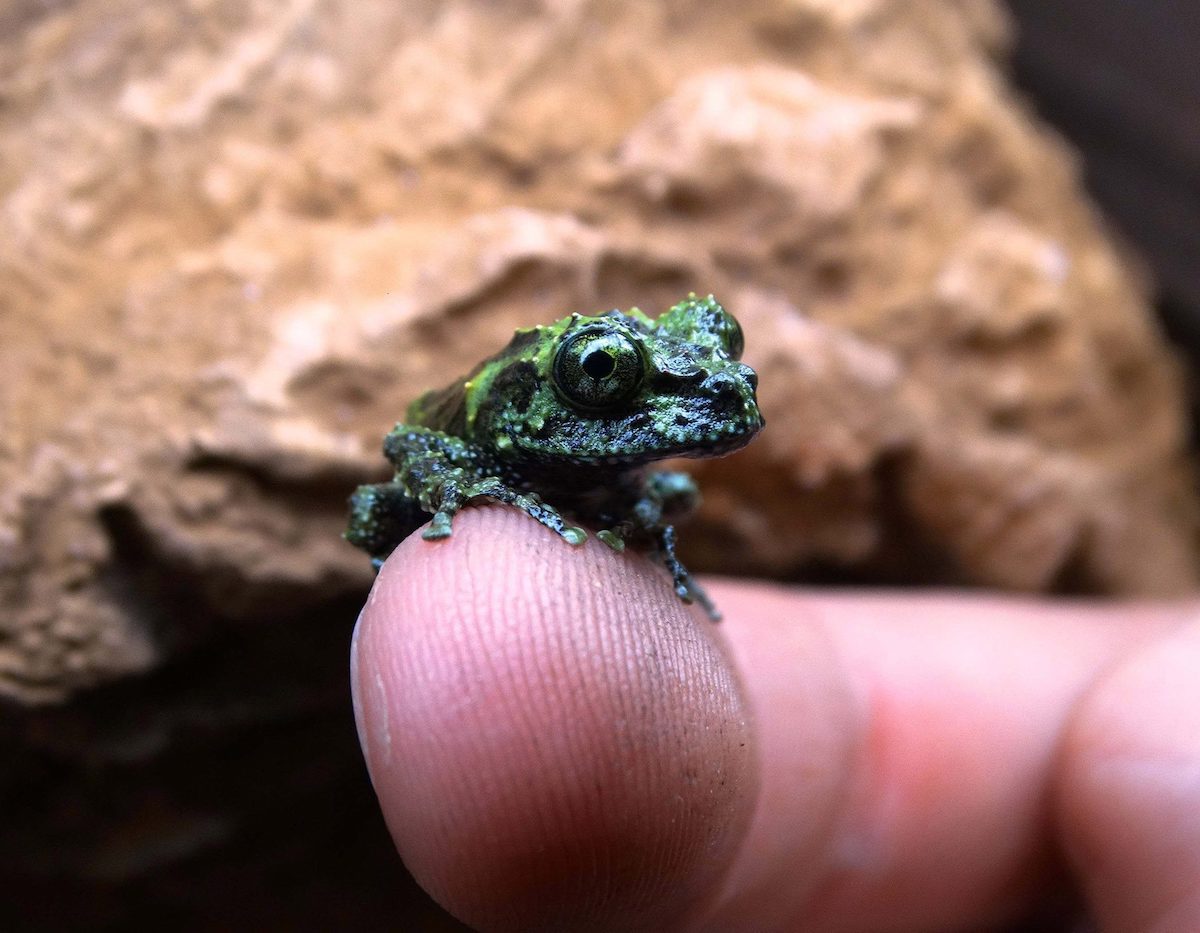
Each year, every zoological collection in Britain undertakes a substantial and essential task – the yearly animal count. Keepers at Cotswold Wildlife Park have just completed their annual stocktake; a compulsory requirement for all British zoos in order to keep their zoo licence. The numbers are no surprise to the Park’s keepers, as they know exactly how many animals are in the collection from their daily checks. But, once a year, the total number of mammals, birds, amphibians, fish and reptiles are officially recorded and added to the Park’s Zoological Information Management System (ZIMS). This information is shared with other zoological collections and is vital for zoo management and future international breeding programmes.
Methods used to count the 1699 individual animals from 252 different species (an 11% increase from last year) vary greatly, depending on the size, agility and natural behaviour of each animal. Larger species such as the Giraffes, Lions and Rhinos are straightforward to record, but smaller, more agile or shyer species require different tactics. Creatures particularly adept at camouflage can present their own challenges for the annual count.
Primate keeper, Shanti Persaud, uses a particular technique to tempt the Park’s notoriously secretive pair of Linne’s Two-toed Sloths to come out of hiding. As they are perfectly camouflaged amongst the natural flora of the Tropical House, locating their whereabouts can take time. She attaches one of their favourite foods to the end of a bamboo stick. Keen to taste the delicious grapes, the Sloths eventually emerge from their hiding places, allowing Shanti to carry out her essential daily animal health checks and confirm their numbers for the census.
Quick moving mammals such as the Mouse Lemurs (one of the smallest primates in the world), Bats and Naked Mole Rats provide a different challenge when it comes to the animal count. Primate Section Head, Chris Kibbey, explains: “Animals like the Naked Mole Rats can prove problematic. They are tricky to count when busily running along their Perspex tubing system (scurrying backwards as well as forwards, as they would in their underground tunnels in the wild). Even when resting, they huddle in a large pile in one of their nest chambers, clambering on top of one another, making it difficult to count accurately. During a recent spring clean, we counted all of the Mole Rats individually when they were carefully moved into a warm box to maintain their delicate body temperature. This enabled us to ensure that the number of animals corresponded with the number on the inventory.”