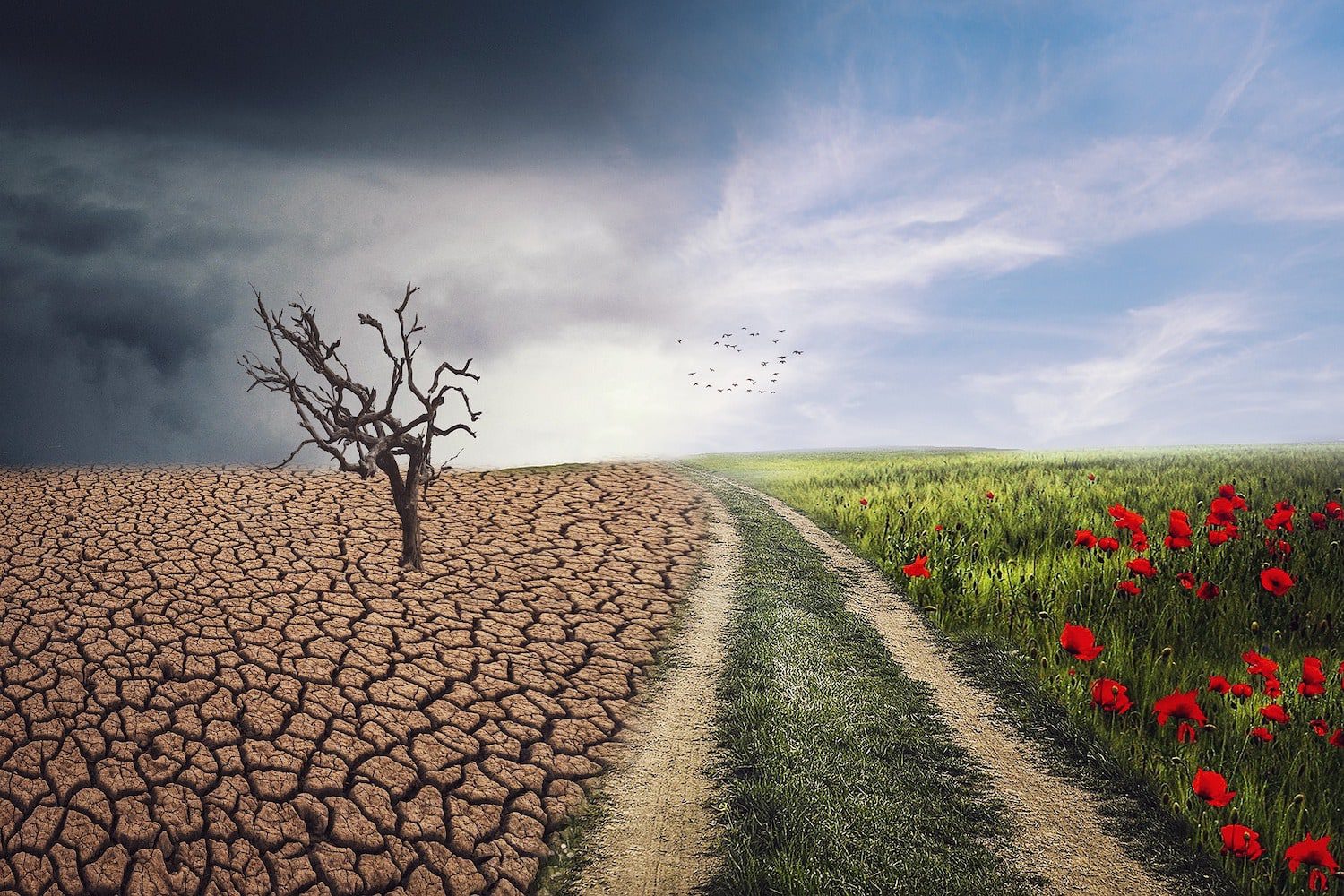

The Wildlife Trusts has noted that it has been a bleak countdown to the international climate conference, COP27, which started in Egypt on Sunday. In the 12 months since COP26, the global and national mood has flipped from cautious optimism to fear and division. In the UK alone, we’ve seen the following since COP26:
- Temperatures over 40˚C recorded for the first time ever. Habitats became hostile places for wildlife, animals suffered heat stress and retreated wherever they could to shaded, wooded or damp areas. Swifts fell out of the sky, trees shed leaves, bumblebees were grounded.
- Dangerous fires spread across wild land – equal to 30,000 football pitches were burnt. Some of our most precious habitats such as heathlands were destroyed; wildlife was unable to escape including silver studded blue butterflies, adders and ground-nesting birds such as nightjar.
- Drought across much of the UK, with the driest July on record in south east England. Rivers ran dry leaving dead fish and amphibians, and grey herons, otters, water voles and kingfishers struggling to find food. Ponds and lakes dried-up and plants died – the subsequent lack of nectar affected insects. Staff at Yorkshire Wildlife Trust were able to walk across a lake bed at Potteric Carrnature reserve.
The organisation is highlighting that we cannot address climate change without restoring nature. Habitats have a critical role to play in storing carbon and helping us adapt to the inevitable consequences of climate change. To have a global voice, the UK must ensure it is taking the right action at home – especially as we are one of the most nature-depleted countries in the world.
The Wildlife Trusts’ COP27 briefing addresses points including:
- Time is running out to avoid catastrophic warming above 1.5C. We are still on track for around 2.5°C of warming by the end of this century, which would result in catastrophic impacts for people and wildlife, with a much greater chance of ecosystem collapse.
- If the UK wants to be a world leader on climate and nature, it must ensure it is taking the same urgent action at home. Progress must be made by all governments in the UK on commitment to protect 30% of land and sea for nature by 2030 and the UK must strengthen, not weaken, its environmental protections. Last week, the Government broke the law by failing to set Environment Acttargets – it is not on course to halt the decline of nature let alone restore it.
- Protecting nature and prioritising resilience is becoming even more critical in the wake of global extreme weather events in 2022. Investment in nature must be central to decisions on finance at COP27, with wealthy nations ensuring global majority countries can invest in nature to mitigate and adapt to climate impacts.
The Wildlife Trusts will be watching with particular interest the following themes at COP27:
Saturday 12th November – adaptation and agriculture
Wednesday 16th November – biodiversity
For further information read the Trust’s director of climate change and evidence, Kathryn Brown’s blog A bleak countdown to COP27. See also the organisation’s Let Nature Help report and assessment of the impact of climate change across The Wildlife Trusts’ estate in Changing Nature.
The Wildlife Trusts have a list of things you can do about climate change and a short film with Sir David Attenborough plus an animation showing how restored nature can help tackle the climate crisis here.
Image credit: Enrique from Pixabay