Macaroni Penguin
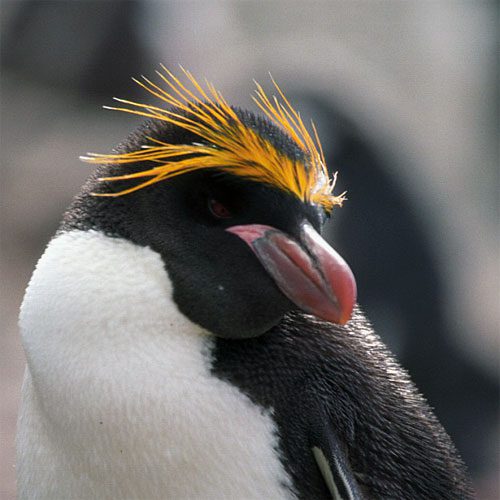
Distinctive for its yellow crest and red eyes, it can be found from the Subantarctic to the Antarctic Peninsula. With a population of about 18 million, it is the most numerous penguin species.

Sign up to the Discover Animals newsletter:
Distinctive for its yellow crest and red eyes, it can be found from the Subantarctic to the Antarctic Peninsula. With a population of about 18 million, it is the most numerous penguin species.

The second largest species of penguin standing up to 100cm tall and 16kg in weight. It is able to dive to over 100 metres, and breeds on the subantarctic islands at the north reaches of Antarctica.

A south American Penguin that breeds in coastal Peru and Chile, is named after the cold water current it swims in. It is classified as a threatened species with an estimated 3,300 to 12,000 population.
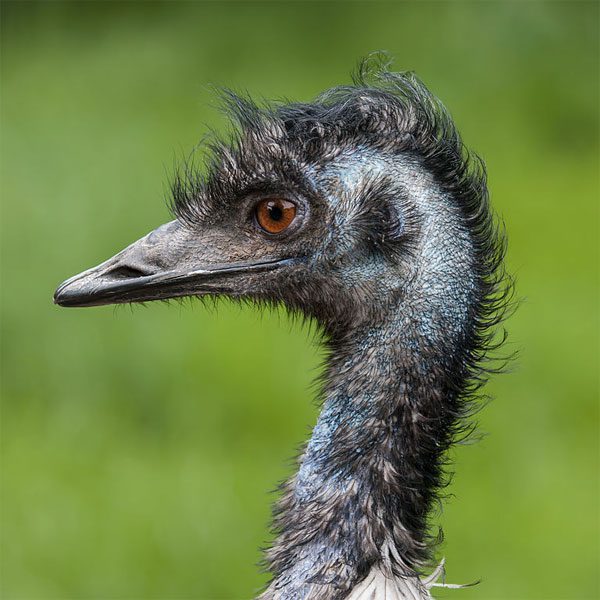
The second-largest extant bird in the world by height, after its relative, the ostrich. Common over most of mainland Australia, although it avoids heavily populated areas, dense forest and arid areas.

A very large flightless bird related to the emu, with a bare head and neck, a tall horny crest, and one or two coloured wattles. It is native mainly to the forests of New Guinea.

Also widely known as the “jackass” penguin for its donkey-like bray. Like all penguins it is flightless, with a streamlined body and wings stiffened and flattened into flippers for a marine habitat.

Can be differentiated from other species of flamingo by its greyish legs with pink joints, and also by the larger amount of black on the bill, which it uses to filter-feed on small organisms.
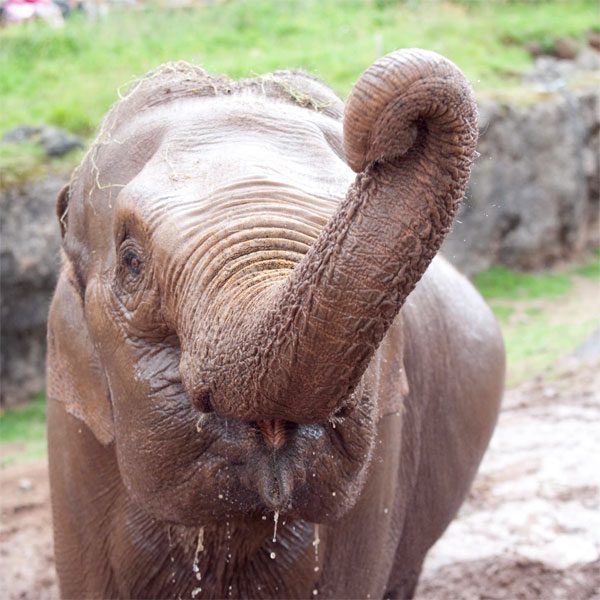
The elephant of southern Asia. Is smaller than the African elephant, with smaller ears and only one lip to the trunk. It is often tamed as a beast of burden in India. Listed as endangered since 1986.

The elephant native to Africa, which is larger than the Indian elephant and has larger ears and a two-lipped trunk. The trunk acts as a fifth limb, a sound amplifier and an important method of touch.

Named for the distinctive red blotch found on its breast. It is a bird belonging to the pigeon family and is endemic to the Philippines.

Given the name from the splash of vivid red colour found at the centre of their breasts, the Luzon having the most pronounced. It is endemic to the island of Luzon in the Philippines.
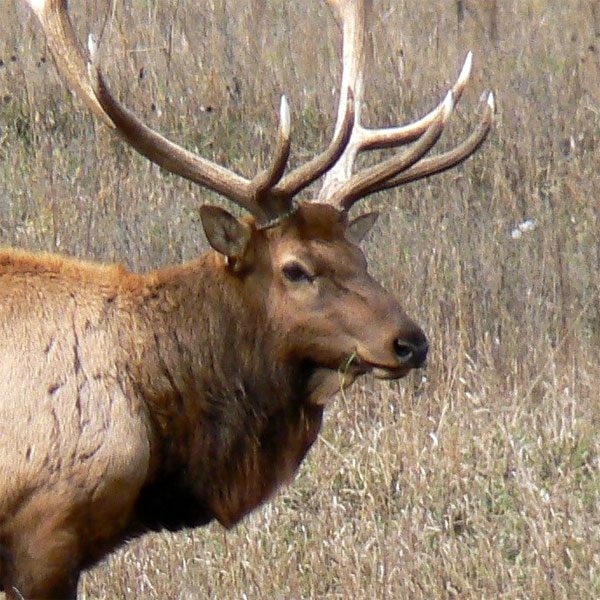
Large deer with palmate antlers and a growth of skin hanging from the neck, native to North America and eastern Asia. They range in forest habitats, feeding on grasses, plants, leaves and bark.

The largest of all living reptiles, with males reaching sizes of up to 6.7m long. It can live in saltwater but mainly reside in mangrove swamps and lagoons and are broadly distributed.

A small, aggressive and endangered species of crocodile found only in Cuba. Unique compared to other crocodilians with its brighter adult colors, rougher, more ‘pebbled’ scales and long, strong legs.

Large aquatic reptile found in the swamps and tropical rivers that cover Central and South America. Due to their large size and ferocious nature, it has few natural predators within its environment.

A large slender spotted cat found in Africa and parts of Asia. It’s the fastest animal on land, with their large nostrils and enlarged heart and lungs working together to circulate oxygen efficiently.

A canid found only in Africa, normally in savannas and lightly wooded areas. It is the largest African dog canid, and is considered an endangered species with now only 3000-5,500 found.

A canid native to the wilderness and remote areas of North America, North Africa and Eurasia. It is distinguished by its larger size, less pointed features and a long, mottled gray winter coat.
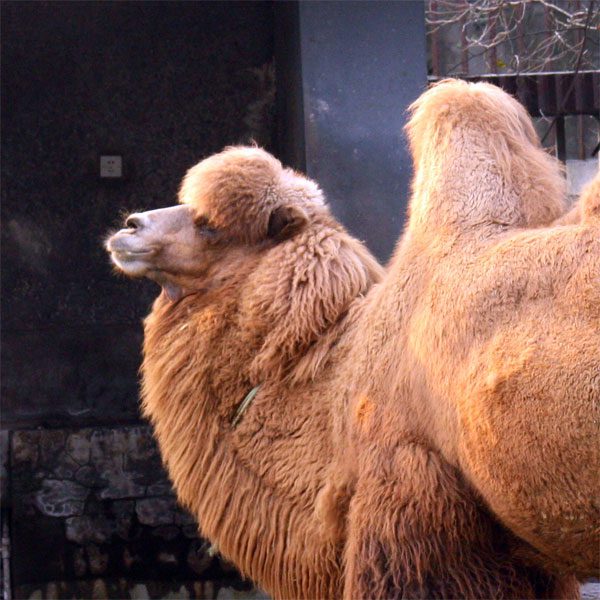
A large, even-toed ungulate native to Central Asia. Of the two species of camel, it is by far the rarer, with two humps on its back. Its population of 2 million exists mainly in the domesticated form.

A long-haired domesticated South American mammal related to the llama, valued for its wool. Alpacas are social herd animals that live in family groups consisting of a male, females and their young.

The last remaining bear native to South America and the only surviving member of the subfamily Tremarctinae. It is distinctive for its beige or ginger-coloured markings across its face and chest.

Native to North America, it is the continent’s smallest and most widely distributed bear species and the most common bear species in the world.

The most widely distributed species of bear, these omnivorous giants tend to be solitary animals, except for females and their cubs. Much of their diet consists of nuts, berries, fruit, leaves and roots.

Found only in the Comoros islands of the western Indian Ocean. It is the largest and rarest of the comorian species, with only an estimated population of 1,200.

One of the two species of orangutans, the other being the Bornean orangutan. Found only on the island of Sumatra, it is classified as critically endangered with an estimated 7,300 still in the wild.

It is a tailless, black-furred gibbon native to the forests of Malaysia, Thailand and Sumatra. Distinctive for the two digits on each foot that are partially joined by a membrane and a large gular sac.
Sign up to the Discover Animals newsletter: