South American Fur Seal
It has a dark grey coat of fur and a total population of around 250,000, which has seen a gradual decline over the years. You will find them breeding on the coasts of Chile, Peru and Argentina.

Sign up to the Discover Animals newsletter:
It has a dark grey coat of fur and a total population of around 250,000, which has seen a gradual decline over the years. You will find them breeding on the coasts of Chile, Peru and Argentina.

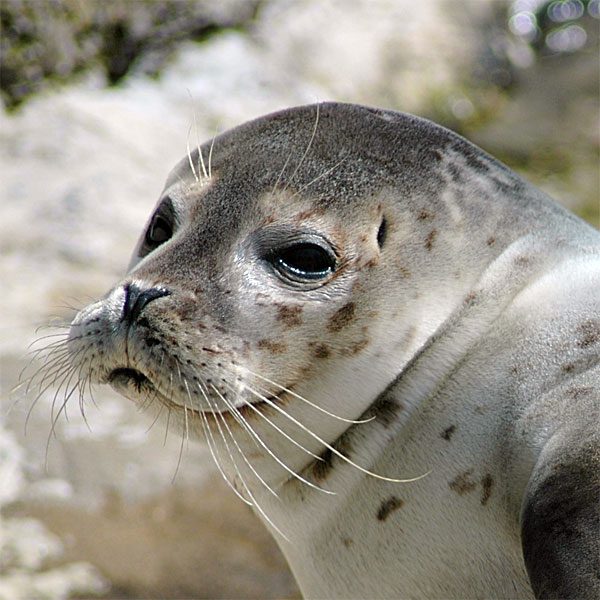
A true seal and most widely distributed of the pinniped species, found along Arctic marine coastlines of the Northern Hemisphere. Normally brown, tan or gray in colour, with distinctive V-shaped nostrils.
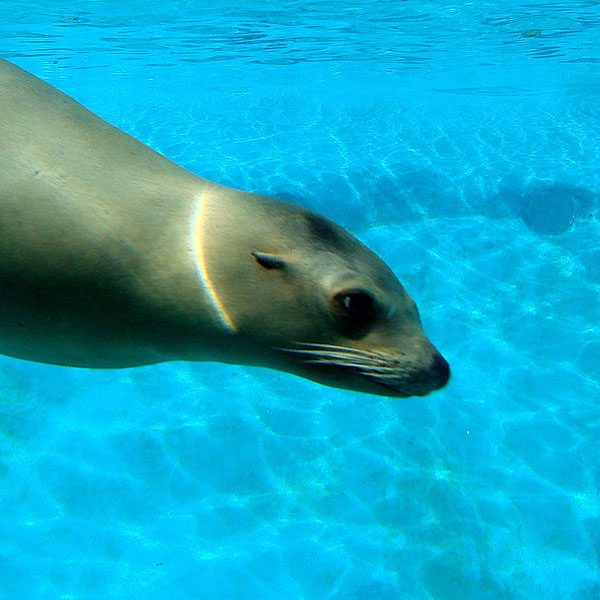
An eared seal occurring mainly on Pacific coasts, the large male of which has a mane on the neck and shoulders. They are particularly intelligent and can be trained to perform various tasks.
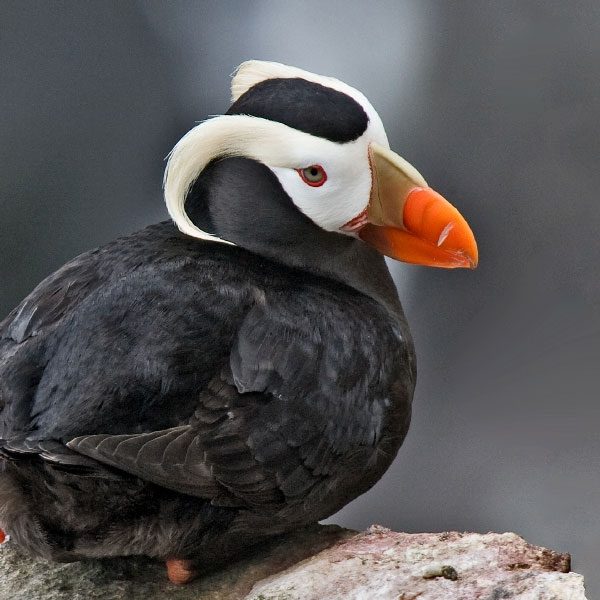
A medium-sized seabird recognised for its thick red bill and yellow turfs, is found throughout the North Pacific Ocean. It is one of three species of puffin that make up the Fratercula genus.
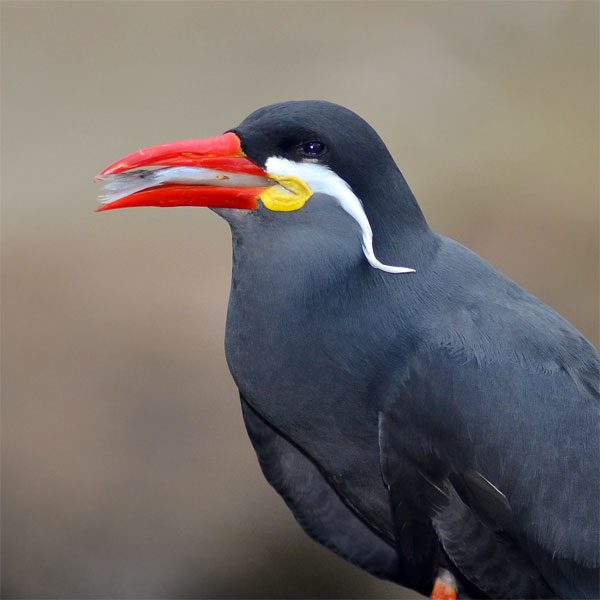
A seabird in the Sternidae family, and only member of the genus Larosterna. It is identified by its dark grey body, white moustache and red-orange beak and feet, and breeds on the coasts of Peru and Chile.

South American mammal that resembles a giant long-legged guinea pig. It lives in groups near water and is the largest living rodent. A highly social species, it can be found in groups as large as 100.

The largest and most numerous species of two-horned African rhinoceros. Has a broad, straight mouth and the widest set nostrils of any land based animal. Is the most social of all rhino species.
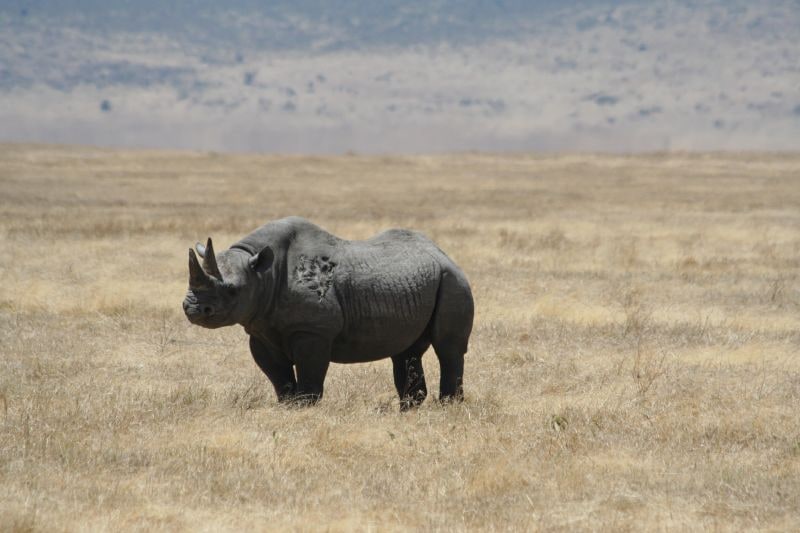
A two-horned rhinoceros with a prehensile upper lip, native to eastern and central Africa. Referred to as black, its colours actually vary from brown to grey. Classified as critically endangered.

Found in coastal waters of Europe and the Atlantic coast of Africa, it is one of the more common rays encountered. The kite shaped body is covered in thorny spines with a long, thorny tail.

A cartilaginous fish distinctive for its dark surface covered in white spots or rings and long tail of barbed stingers, found globally in tropical regions. It is considered a Near Threatened species.

Normally found in tropical and subtropical waters of the Western Atlantic Ocean. It has a bard on its tail which is serrated and covered in a venomous mucous used as a way of protection.

Has a shark-like body and an elongated, blade-like snout known as a rostrum that has saw-like teeth on either side. Their populations are believed to have declined by 80% over 3 generations.

Generally found in Indonesia to Japan, and south to Northern Australia, they prey on many fish and small mollusks, but are also preyed on by the killer whale and hammer head shark.

Found widespread in tropical and subtropical South America. Its colour is variable and has distinctive rings on its tail. They can grow a total length of up to 113cm, half of that being its tail.

It is a species of Australasian parrot, and has a very bright plumage. The head is deep blue, the belly & rest of the upper parts are deep green, a red chest, and yellow thighs and rump.

A large bear-like mammal with characteristic black-and-white markings, native to certain mountain forests in China. It feeds almost entirely on bamboo and has become increasingly rare.

A wild cat found extensively over South America. Similar in appearance to a domestic cat, with fur resembling that of a clouded leopard or jaguar, once regarded as very valuable.
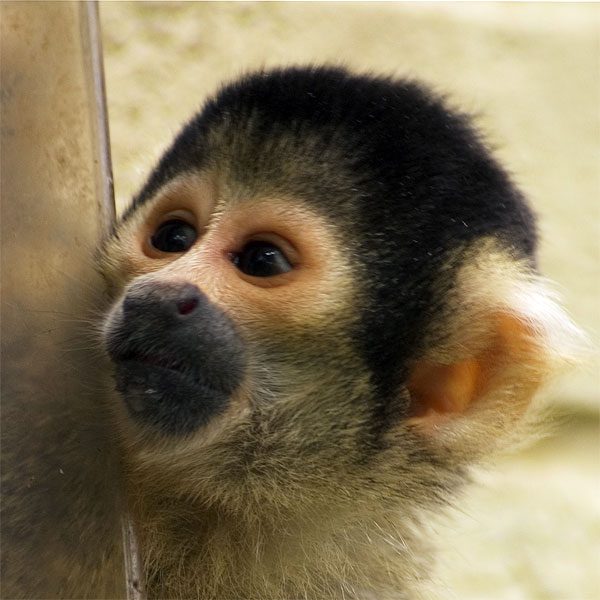
Distinct for their white eyes and black mouths, most live in the tropical forests of Central and South America. Many are captured for the pet trade and medical research but are not threatened.

New World Monkeys, found in the tropical forests of Central and South America. It has disproportionately long limbs and prehensile tail giving rise to their name and are critically endangered animals.
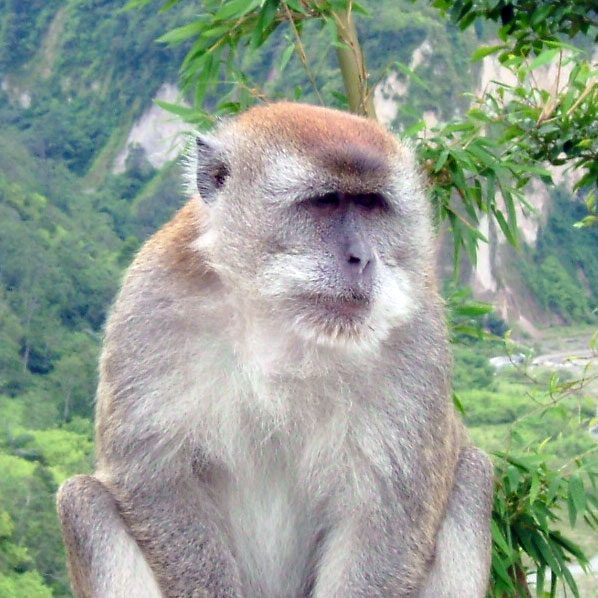
A medium-sized, chiefly forest-dwelling Old World monkey with a long face and cheek pouches for holding food. They typically do not consume crabs; rather, they eat a variety of animals and plants.

Large African and Arabian Old World ground-dwelling monkey with long, dog-like muzzles, heavy, powerful jaws with sharp canine teeth, close-set eyes, thick fur except on their muzzles and short tails.

A small mammal belonging to the mongoose family, found in Botswana, Namibia, southwestern Angola and South Africa. Most travel in groups of around 20 meerkats, this is called a “mob”, “gang” or “clan”.
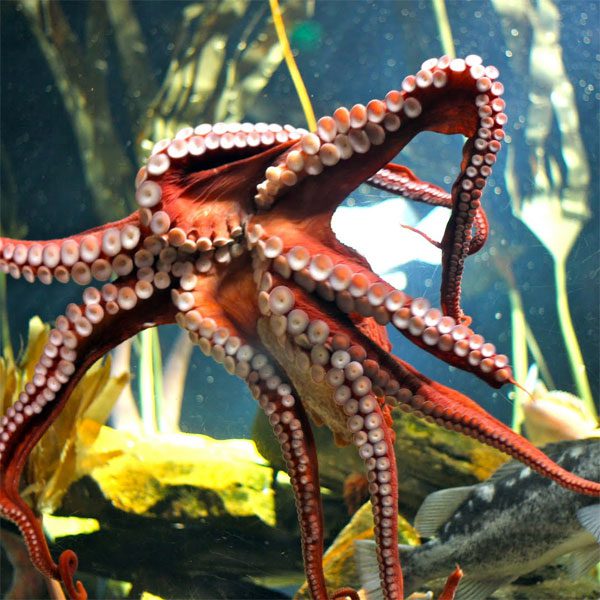
Highly intelligent, they’ve learned to open jars, mimic other octopuses and solve mazes in lab tests. Aged about four years old, they grow bigger and live longer than any other octopus species.

A cephalopod mollusc with eight sucker-bearing arms, a soft sac-like body, and no internal shell. Typically found in tropical waters, such as the Mediterranean Sea and East Atlantic.
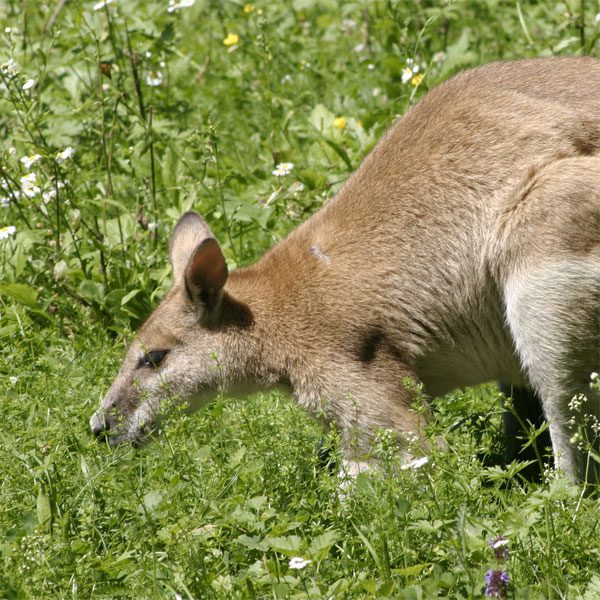
It is not a distinct genetic group, with many categories such as the agile and the red-necked wallaby. They tend to look similar to kangaroos but smaller in size, and have powerful hind legs & tails.

Native to Australia, it is easily recognised by its stout, tailless body; round, fluffy ears; and spoon-shaped nose. Its diet is mostly leaves leading to a largely sedentary life sleeping up to 20 hours a day!
Sign up to the Discover Animals newsletter: